Showing posts with label Filipino Dubbed. Show all posts

B'T X and B'T X Neo | ABS-CBN's 90s Filipino-Dubbed Anime Retrospective

B'T X was a Filipino-dubbed Japanese animation that aired on ABS-CBN every weekend afternoon during the 90s in the Philippines. B't X, stylized as B'T X, was adapted from the shonen manga series, written and illustrated by Masami Kurumada which ran from October 1994 – January 2000. The 25-episode first season of the anime adaptation of B'T X ran from April 6, 1996 – September 21, 1996. It was followed by a 14-episode second season titled B'T X Neo that ran from August 21, 1997 – November 20, 1997 in Japan. Let's go down memory lane and remember the pilot of the badass B'T X in this alternate world of B'T X and it's sequel B'T X Neo.

B'T X ABS-CBN 90s Filipino-Dubbed Anime A Retrospective Retro Pilipinas Feature

B'T X - The Story
B'T X Series Plot

B'T X is set on an alternate Earth which is ruled by one faction called the Machine Empire. The Machine Empire pushed for a society of scientists which culminated in the creation of the B'Ts (pronounced "beat" in the Japanese version), mechanical beasts with artificial intelligence powered by human blood.

B'T X and B'T X Neo follows the story of Teppei Takamiya and the bond he formed with the titular B'T X, or simply X which was once of the strongest B'T of the Machine Empire. The story then delves deeper with the B'Ts and MAchine Empire. Secrets start to unfold as it becomes the a story of survival of the human race against the clutches of the Machine Empire and smack in between is Teppei and X, along with the comrades they gained along this journey.

B'T X Opening Theme
B'T X Series Intro


B'T X Lyrics

Maglalakbay ako patungo sa kawalan
Upang habulin ko pangarap sa buhay
At susuungin ko itong kadiliman
Makita ko lang ang liwanag
Ng katarungan

B’T X Closing Song
Alab ng Katarungan
ang pagmamahal sa ating kapwa
ang pag-ibig sa ating bayan
Handang ibuwis ang aking buhay

B'T X Legacy on the Filipinos

It is without a doubt that B'T X has become a part of the lives of Filipino kids who grew up watching this anime series every afternoon. Some have even made various tribute and covers remembering this aspect of their childhood. I now present you with the legacy of B'T X amongst the kids and Filipinos in general who grew up watching the series. Credits goes to the original authors. Kindly follow, like and support their channels which we'll also include below:

BTX opening theme (Tagalog/Japanese version)- Mavilon cover


Source: Mavilon's YouTube Channel B'T X Cover


BTX TAGALOG OPENING THEME Acoustic version 90's Anime | Sailing For My Dream Cover Rider Kikomi


Source: Rider Kikomi's YouTube Channel


A Retrospective on B'T X and B'T X Neo
A Look Back on B'T X and B'T X Neo

B'T X Teppei Takamiya and X A B'TX ABS CBN Retrospective

What can be said about B'T X's run in Philippine television back in the late 90s? Well, I don't really remember much about the plot of B'T X, only bits and pieces. I was only at around grade school back then when it first aired on ABS-CBN. It was Filipino-dubbed but I guess I wasn't paying much attention to the story, maybe more fascinated with what seemingly high octane action and the cool designs of the the B'Ts (Beats) back then. speaking of cool designs, I managed to archive a few snapshots from this nostalgic 90s series in my teks collection of B'T X. Maybe, I will make an unpacking and release scans of my teks collection (on a future post soon).

B'T X Retrospective on Fou Lafine's B't J'Taime vs Ron and B'T Raido


Being a 90s kid, my fondest memory of the series was me playing around with my grade school classmates shouting Teppei's iconic Messiah Fist and thinking that we were riding some of the iconics beats from the show. A fan favorite back then was Fou Lafine's B't J'Taime that had a phoenix (suzaku) design and opposite to him was Ron and B'T Raido with his dragon (seiryuu) design. I tend to favor the lead back then, even though I usually favor the main character, I remember favoring Hokuto and B'T Max (genbuu). I've managed to get a hold of the series now, but when re-watching the very first few episodes I can say that it really didn't age gracefully. Maybe it is my more mature taste when it comes to animation (but I do appreciate titles like Mob Psycho 100), but maybe a few episodes in more and I will warm up to the animation style. I will re-watch this series and hopefully will have a good time just like when I finished and re-watched Hell Teacher Nube.

B'T X Teppei Takamiya's Messiah Fist

How about you guys? How much do you remember about B'T X and B'T X Neo back in the days? What was your fondest memory, character, B'Ts, or moments from the series? Share your thoughts and experiences about B'T X in the comments section below and let's discuss more about it:

B'T X Neo A Retrospective
Read More

Bananas in Pajamas | An ABS-CBN's 90s Filipino-dubbed Kids Show Short Retrospective

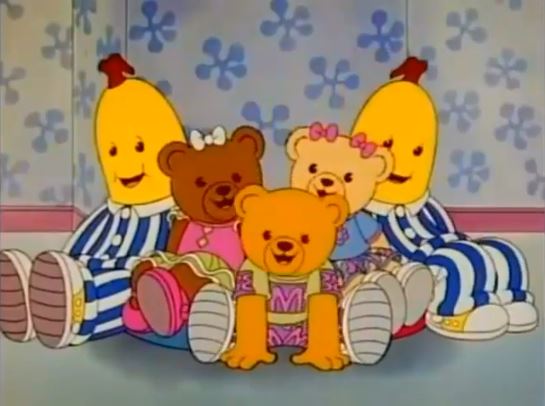
Bananas in Pajamas was a Filipino-dubbed children's television show which aired every afternoon in ABS-CBN's anime afternoon block, around the block of Zenki, B'T X, and Blue Blink. Bananasa in Pajamas was originally Bananas in Pyjamas, an Australian children's television series that premiered on the Australian Broadcasting Company (ABC) on July 20, 1992 and have been syndicated and dubbed into many language including the Filipino language. Let's go down memory lane and remember the the Filipino-dubbed Australian kids show Bananas in Pajamas on its Philippine Television run here at Retro Pilipinas.

Bananas in Pajamas Retro Pilipinas Feature

Bananas in Pajamas - The Show
About Bananas in Pyjamas

Bananas in Pajamas Characters A Retro Pilipinas Look Back

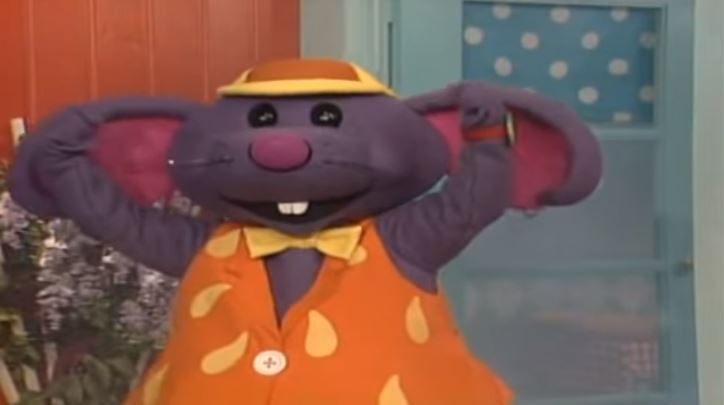
Bananas in Pajamas feature anthropomorphic characters, mainly two twin banana brothers named B1 and B2. It chronicles their daily lives along with their three teddy bear neighbors Amy, Lulu and Morgan, and Doding Daga (Rat in a Hat in the Australian version).

Bananas in Pajamas Opening Theme
Bananas in Pyjamas Series Intro


Bananas in Pyjamas Lyrics


Bananas in pyjamas
Are coming down the stairs
Bananas in pyjamas
Are coming down in pairs
Bananas in pyjamas
Are chasing teddy bears
'Cause on Tuesdays
They all try to
Catch them unawares

[second time sung faster]

Bananas in pyjamas
Are coming down the stairs
Bananas in pyjamas
Are coming down in pairs
Bananas in pyjamas
Are chasing teddy bears
'Cause on Tuesdays
They all try to
Catch them unawares

A Retrospective on Bananas in Pajamas
A Look Back on Bananas in Pajamas

What can be said about Bananas in Pajamas' run in Philippine television back in the late 90s? It was a good 15-minute short that served as an intermission to the main course for 90s kids ever weekday afternoon. They serve as a downtime or something cute after or before each anime shown every afternoon in ABS-CBN back then. I only remember that the show was smack right between Zenki or B't X and Akazukin Cha Cha or Blue Blink. The show featured cute anthropomorphic characters/mascots which were all voiced in Filipino making them more relatable to Filipino kids.

Amy, Lulu and Morgan teddy bear mascot in Bananas in Pajamas Retro Pilipinas Look Back

With the power of the Internet, we can now take a look back at them with this YouTube clip:


Doding Daga aka Rat in a Hat mascot in Bananas in Pajamas Retro Pilipinas Look Back

It was a kid-friendly slice of life show which when thinking about it now, was perfectly place as the anime that precede them usually are a bit on the violent (but in a good badass way for boys) side like B'T X and Zenki. As a 90s kid I remember many of us mimicking their popular lines. With iconic lines spoken by the titular Bananas in Pajamas, "Naiisip mo ba ang naiisip ko B1?" which is added by the other banana, "Sa Palagay ko nga B2", the show has cemented itself in the hearts and minds of the Filipino kids who are waiting for the next action packed anime on the ABS'CBN's afternoon block.

B1 and B2 mascot in Bananas in Pajamas Retro Pilipinas Look Back

How about you guys? What are your fondest memories of Bananas in Pajamas? Share your thoughts and opinion about the Filipino-dubbed Bananas in Pajamas Philippine television run in the comments section below and let's have an awesome discussion.

Bananas in Pajamas 90s Kids Show in ABS-CBN A Retrospective
Read More

Saban's Masked Rider — A Retrospective | ABC-5 90s American Adapted Superhero Kids Show

Saban's Masked Rider or simply Masked Rider was a syndicated live action show produced by Saban Entertainment (the same creators of the Mighty Morphin Power Rangers, VR Troopers, Tattooed Teenage Alien Fighters from Beverly Hills, and Big Bad Beetleborgs) and originally aired in Fox Kids block from September 16, 1995 to November 20, 1996. Masked Rider was an American adaptation of the 1988 Japanese tokusatsu show and (the then) ninth entry to the Kamen Rider series, Kamen Rider Black RX; which so happen to be a direct follow up to Kamen Rider Black (See our retrospective on Masked Rider Black for more details). In the Philippines, the Associated Broadcasting Company abbreviated as ABC-5 (now known as TV5) aired the Filipino-dubbed American series Saban's Masked Rider on a weekend primetime block. Let's go down memory lane and remember Saban's Masked Rider back in ABC Channel 5 here in the Philippines.

Saban's Masked Rider 90s Retro US Show ABC-5 Reto Pilipinas Feature

Saban's Masked Rider - The Story
Saban's Masked Rider Series Plot

In a distant planet called Edenoi was once a flourishing planet until a conquering evil tyrant uncle Count Dregon turned it upside down and now has set his eyes on conquering another planet, the Earth. It is up to the Edenoi Prince Dex to thwart the diabolical plans of his uncle with the help of the powers of the Masked Rider passed on to him by his Grandfather King Lexian.

Upon arriving to Earth, he is adopted and took under the roof of a wrm progresive American family, the Stewarts; headed by the couple Hal (American) and Barabara (Asian) couple living together with their two adopted children Albee (African-American son) and Molly (American teenager). Later on Dex along with the Stewart family was joined by Dex' furry friend which is a cross between a bear and a duck happens to be a dwarf bipedal, Ferbus.

Saban's Masked Rider Opening Theme
Saban's Masked Rider Series Intro


Ah the memories I had with Saban's Masked Rider! It was a bittersweet thing looking back at it now. On a time when a young me was hooked watching Filipino-dubbed tokusatsu shows which most are exported from the Land of the Rising Sun (Japan), this show came and somewhat gave a fresh look at things. It sure was very familiar and yet it has American actors on it. A departure from the usual Asian-centric sentai shows we were exposed to back then. Back then, we didn't have the internet and we were basically at the mercy of the local television networks and whatever foreign shows they managed to get their hands on. They decided to pick this up Fox Kids (American) Saban's Masked Rider rather than the original Japanese Kamen Rider Black RX. Maybe it is a cheaper syndication deal (or probably IS all that), but it was what we were exposed to back then. The Mighty Morphin Power Rangers was already on television back then, so it wouldn't hurt for a child to get hyped with another American superhero show, right?

Saban's Masked Rider Edenoi's Prince Dex and Pet Friend Ferbus


On a time with Mighty Morphin Power Rangers, VR Troopers, and Big Bad Beetleborgs, all of these were perfect for a nerdy child growing up in the 90s. It had (by then) a nice blend of action and silly moments. It had cool transformations and great monsters of the week. If my memory served me correctly, Saban's Masked Rider was aired in the Philippines at around 6:00 PM every Sundays. Well at least that is how I remember it as it is usually dark when I start watching it back then. I usually draw most of the information via Wikipedia, but it doesn't specify the details and history of the local syndication and further details about the show here in our country. Saban's Masked Rider could have aired in ABC-5 at the early 2000, but for now I will be sticking to a late 90s timeline for this feature. Back then, it was mere fun and games; not to mention cool super hero action poses, Masked Rider has all what was needed and it was understood as it was dubbed in Filipino. The cooler parts were the cool action scenes which can be traced more from its Japanese roots rather than its tone down American adaptation.


All the cool stuff from Magna, the talking car to Chopper (reincarnation of Battlehopper from the Kamen Rider Black RX version), the also talking motorcycle are present from its resource material, Kamen Rider Black RX. The only thing that the American adaptation/counterpart offered new is the introduction of Ferbus (which I think is just there to sell plushies, although personally speaking I find him uninteresting), that lighter tone that American kids have been so used to by then (no thanks to obsessive compulsive television censorship), and the somewhat progressive familial set-up of the Stewarts. Everything else is standard Japanese Kamen Rider fair. Oh there also was this special Saban's Masked Rider and Mighty Morphin Power Rangers cross-over episode in Mighty Morphin Power Rangers which was never reference to Masked Rider ever again. XD

Saban's Masked Rider Edenoi's Prince Dex and the Stewart family of Leawood


But as many shows from the past, adulthood and time has somewhat sour the experience. It later came to my attention that its Japanese origin was far superior in terms of tone and story as what earlier showa era Kamen Rider series were all about. Sometimes... no scrap that, most of the time, kids don't want to be treated as kids and just want their superhero kids entertainment as it is; even it ends up being dark and gritty. Hey, it worked for Batman The Animated Series, sow why not on a Masked Rider? Just look at the animation and kids shows nowadays. We (back then as kids) can handle those kinds of topics, so why dumb it down?

Kamen Rider Black RX was the inspiration of the American adaptation of Saban's Masked Rider

Later on, I managed to get my hands on the original source material which featured the same actor and character from Kamen Rider Black, Minami Kohtaro Minami (Tetsuo Kurata) continuing his story as Black RX. Afterwhich I started thinking that everything America touch was doing the original Japanese content a great disservice. Fast forward to many years later, the internet has made it possible for me to grab and finally follow the series which was deprived of us by local television networks and finally got my hands on the far superior Kamen Rider Black RX. I later accepted the fact that America will be America, and Japan will be Japan as they will do their own thing as observed from both Super sentai and Power Rangers series which is still continuing as of this very day (of me writing this).


While doing this episode I also managed to stumble over this Youtube channel that uses the same style used by the guys at Honest Trailers and make their own spin on tokusatsu and shows adapted by America. Check out Honest Trailers - Saban's Masked Rider while it hasnb't been taken down, because believe me Japanese corporations like to do copyright take downs for stuff that is clearly acceptable under the fair use act. I will make a future post about that and our experience here in Retro Pilipinas related to that, for now enjoy:


Saban's Masked Rider Title Logo A Retro Pilipinas Retrospective ABC-5 Philippines

How about you guys, have you watched Saban's Masked Rider? were you aware about the existence of its original source material Kamen Rider Black RX? Did you manage to see and watch them both? Any favorite episodes, memorabilias, characters, or merchandise that you have on the Americanized kids show? Share your thoughts and lets go down on a retrospective about Saban's Kamen Rider in the comments section below:
Read More

Ultraman Tiga | GMA Network 90s Filipino-Dubbed Tokusatsu

Ultraman Tiga was a Filipino-dubbed superhero kids show that aired in GMA Network every weekdays at 4:30 PM during the late 90's from January to July 1999. Ultraman Tiga Ultraman Tiga (ウルトラマンティガ Urutoraman Tiga) was a Japanese tokusatsu series and the 11th show in the Ultra Series. Ultraman Tiga was produced by Tsuburaya Productions originally ran from September 7, 1996 to August 30, 1997 with a total of 52 episodes and with 5 movies. Let's go down memory lane and remember Ultraman Tiga.

Ultraman Tiga late 90s Philippine Television Run on GMA Network Retro Pilipinas Feature

Ultraman Tiga - The Story
About Ultraman Tiga

Ultraman Tiga is a show set in an alternate universe in the year 2007-2010 wherein giant monsters and conquering aliens started appearing as was foretold by an apocalyptic prophecy. The Terrestrial Peaceable Consortium (TPC) along with its branch, the Global Unlimited Task Squad (GUTS) was created in response to this threat.

With the help of a holographic message in a capsule found by researchers, the GUTS where able to come by the knowledge about a golden pyramid built by an ancient civilization. Three statues of a race of giants who defended early human civilization on Earth about 30,000,000 years ago was present in the site. GUTS discovered that two of these were destroyed with the third one gaining 'life' from the spiritual energy of officer Daigo who happens to be a descendant of the ancient race. Daigo and the remaining statue merge into a single being, made of light. Defeating the two monsters responsible for destroying the other two giant statues, Daigo is later revealed by the hologram of the prophecy that a great evil that not even the giants could stop destroyed the ancient civilization 30 million years ago.

Ultraman Tiga and Ultraman Shakes Hands

Ultraman Tiga Opening Theme
Ultraman Tiga Series Intro


"Take Me Higher"
Performed by V6
Japanese Lyrics: Kazumi Suzuki
Arrangement: Yasuhiko Hoshino
String Arrangement: Mitsuo Hagida
Choral Arrangement: Hiroaki Suzuki

Ultraman Tiga Closing Theme
Ultraman Tiga Series Outro


"Brave Love, TIGA"
Artist: Earth Protection Force
Lyrics: Sunplaza Nakano
Composition: Barbe-Q Wasada
Arrangement: Yasuhiko Fukuda

Ultraman Tiga Philippines Ultra Man Tiga Scenes in GMA Network Philippine TV Run of Tiga


What can be said about Ultraman Tiga's run on GMA Network back in the late 90s? Well, as a 90s kid I can only remember that it was one awesome UltraMan series that featured a multi-formed or multi-suit Ultraman which was not observed in other Ultraman that came before it; well at least that was shown televised here in the Philippines back then. Well, besides that, I have vivid recollection of the story itself. Although the ending theme 'Brave Love, TIGA' has always been stuck in my memory. When making this look back, I thought that it was the opening as to how cool it sounded back then and still is now. when this ended it was later followed up by Ultraman Dyna which was picked up by rival network ABS-CBN. I think I will re-watch this series along with dyna as back then, we haven't had the internet or local stations didn't picked up the five movies that according to information online came out from this series. Who wouldn't want to see Dyna and Tiga in one movie, right?

Ultraman Tiga title card Retro Pilipinas feature on Tsuburaya Productions 11th Ultraman Series

How about you guys, do you have any memorable moments, episodes, experiences, or merchandise from this nostalgic Ultraman series? Share your thoughts and opinion about Ultraman Tiga's run in Philippine television back in the late 90s in the comments section below and let's discuss:
Read More

Magic Knight Rayearth | ABS-CBN 90s Filipino-Dubbed Anime

Magic Knight Rayearth was a Filipino-dubbed Japanese animation which aired on ABS-CBN every Sunday morning during the 90's in the Philippines. Magic Knight Rayearth (魔法騎士レイアース Mahou Kishi Reiāsu) was originally a Japanese shojo (female target demographic) manga series created (written) by Clamp and published by Kodansha with three volumes that ran from November 1993 to February 1995. The manga was later adapted into an anime which originally aired in Yomiuri TV and on NNS in Tokyo and ran from October 17, 1994 to November 27, 1995 with a total of 49 episodes spanning two seasons. Let's go down memory lane and remember this all female highschoolers turned warriors turned mech pilots in the fantasy world of Magic Knight Rayearth.

Magic Knight Rayearth 90's Filipino-Dubbed Anime Retro Pilipinas Feature

Magic Knight Rayearth - The Story
Magic Knight Rayearth Series Plot

Three high school suddenly found themselves transported in another world called Cephiro. Tomboyish and headstrong Hikaru Shidou and is known in the Philippine-dubbed series as Lucy; quick-tempered and straightforward Umi Ryuuzaki and known as Marina; and intelligent prim-and-proper ladylike Fuu Hououji known locally as Anemone. The three girls are then tasked by Clef to rescue the current Pillar of Cephiro (Princess Emeraude) from her abductor, the high priest (and sho's main antagonist*?*) Zagato. Once fulfilled they will be returned to Tokyo.

Magic Knight Rayearth 90's ABS-CBN Filipino-Dubbed anime featuring Hikaru Shidou as Lucy, Umi Ryuuzaki as Marina, Fuu Hououji known locally as Anemone

The first season focused on the finding of the powers of the three protagonist, building of their friendship, and the inevitable bout in the end that locked Cephiro in its miserable state which was picked up in the second season in which colonizers have started invading Cephiro.

Magic Knight Rayearth Opening Theme
Magic Knight Rayearth Series Intro


Magic Knight Rayearth Opening Theme Filipino Lyrics
Magic Knight Rayearth Opening Theme Tagalog Lyrics

Kami'y narito
Asahan nyo'ng
Magtatanggol

Makikipaglaban
para sa
Kapayapaan....

Ang lahat ng nilalang dito
ay may karapatan

(sa magandang bukas)

Kung merong gumugulo
ay h'wag mag alala

Kami'y ang dakilang tagapagtanggol nyo
Sa lahat ng oras
Handa kaming tumulong

Ang aming mga kapangyarihan
Alay sa karapatan

Kami'y narito
Asahan nyo'ng
Magtatanggol

Makikipaglaban
para sa
Kapayapaan at kaayusan

Kami'y asahan nyo..
Hanggang sa dulo ng Mundo...

Magic Knight Rayearth Yuzurenai Negai by Naomi Tamura Official Music Video


Magic Knight Rayearth Yuzurenai Negai Live Performance by Naomi Tamura


Naomi performing Yuzurenai Negai at Otakon Expo 2009 in Baltimore, USA.


A Lookback on Magic Knight Rayearth

Magic Knight Rayearth Mecha Rune-Gods  Umi's is Celes or Ceres, Fuu's Windam,  Hikaru's Rayearth or Lexus

What is there to say about Magic Knight Rayearth? Well, Magic Knight Rayearth was one of those definitive and notable anime that I grew up with as it was perfectly placed on a Sunday morning (weekend) block. It had a high fantasy setting that featured transforming girls ala Sailormoon plus mecha action. Back in the days, there was no issues when kids are watching such series, well at least not in our neighborhood or household.

Magic Knight Rayearth Season 2 with new characters Autozam with its leader Lantis, Fahren with childish ruler Lady Aska, and Chizetawith sibling rulers Tatra and Tarta

I remember the tragic love story of the Princess who need saving and her abductor, and the awesome look of the giant mechs and the fighting using these mecha. Oddly enough I always remember the Tatra and Tarta theme which play when they summon their giant djinns. Must be its Middle Eastern theme or Arab country like exotic beat or just the hypnotizing performance of these attractive anime sibling slash colonizers.

Did you know that the Magic Knight Rayearth mechs and characters appear in the eleventh installment of the Super Robot Wars, game franchise? Check it out at Super Robot Wars T Video Game Impressions Mech-centeric Game Franchise Super Robot Wars Returns to the Nintendo Switch and PlayStation 4.

I plan on re-watching this series again if they still hold up to today's standards (hopefully it will) just like what I did with Hell Teacher Nube.

Magic Knight Rayearth 90's ABS-CBN Filipino-Dubbed nostalgic Japanes anime title card

How about you guys? What are your fondest memories of this all-female lead slash mecha fantasy love story anime? Do you have any particular favorites like episode(s), characters, and merchandise related to the show? Share your thoughts and experiences about Magic Knight Rayearth in the comments section below and let's discuss:
Read More

Janperson | Tokusou Robo Janperson | ABC-5 90s Filipino-Dubbed Tokusatsu

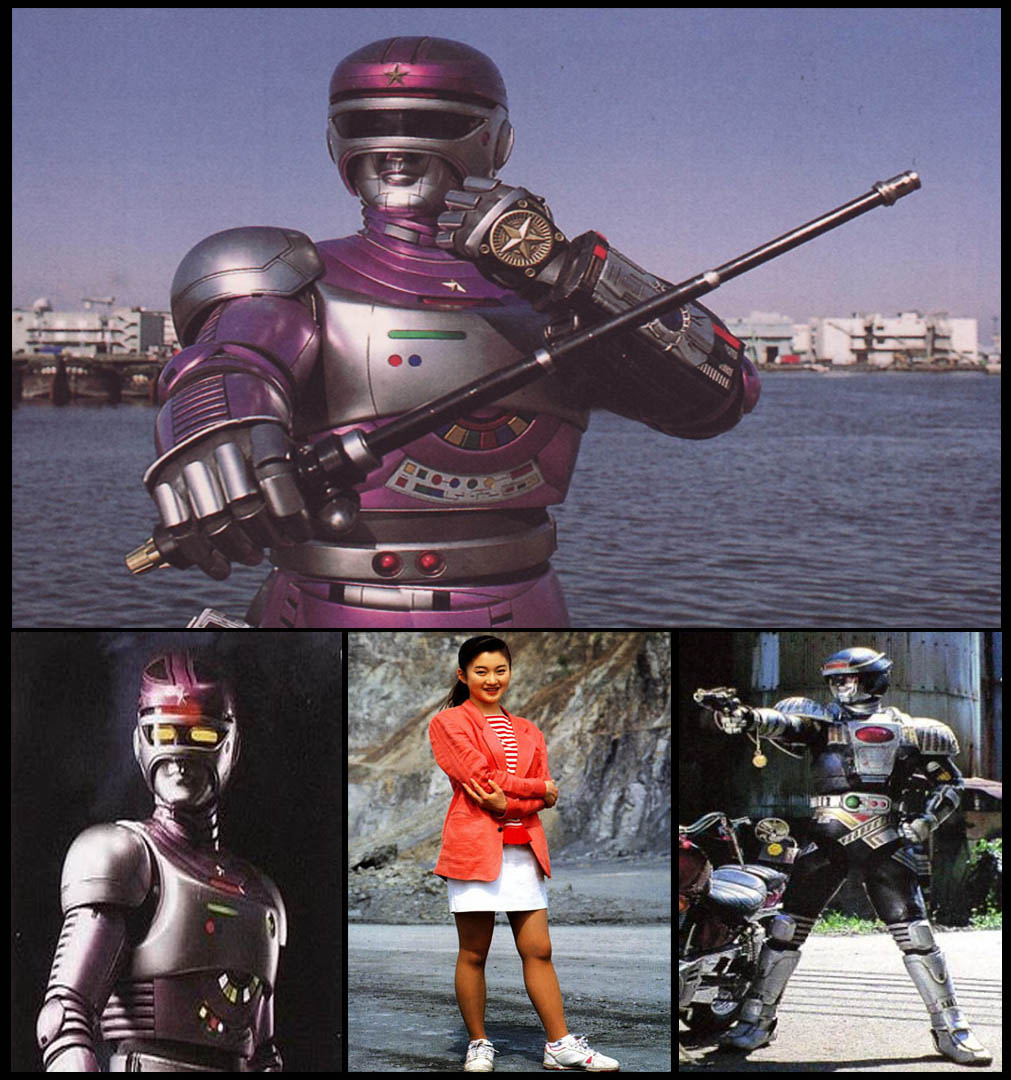
Tokusou Robo Janperson or simply known as Janperson was a Filipino-dubbed super hero kids show that aired in ABC-5 (now known as TV5) around the late 90s (or early 2000). Janperson had an original title of Tokusou Robo Janperson (特捜ロボ ジャンパーソン Tokusō Robo Janpāson), was a tokusatsu series and 1993 installment in Toei Company Limited's Metal Hero Series; Tokusou Robo Janperson was the 12th in the Metal Hero series. Janperson, produced by Toei originally aired in TV Asahi from January 31, 1993 to January 23, 1994 with a total of 50 episodes with a 30-minute running time. The opening catchphrase of the series is "Janperson Fights For Justice" which has a similar tone and feel to Mobile Cop Jiban. Let's go down memory lane and remember Tokusou Robo Janperson.

Tokusou Robo Janperson Retro Pilipinas Feature ABC-5 90s Filipino-dubbed Tokusatsu

Janperson - The Story
About Tokusou Robo Janperson

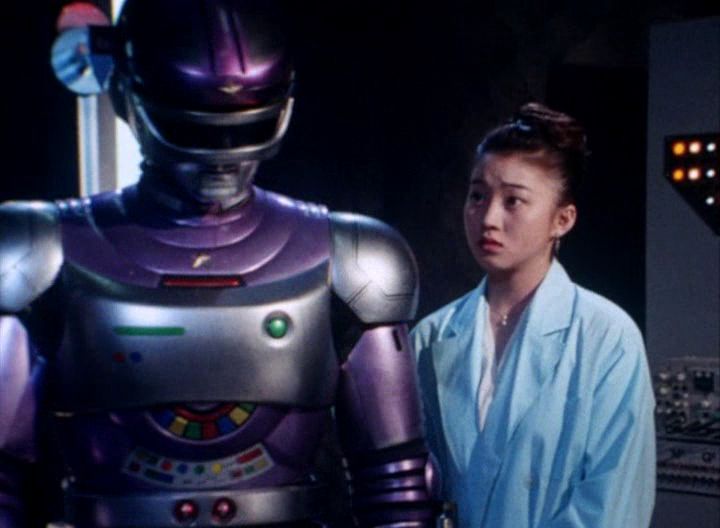
Tokusou Robo Janperson revolved around Janperson, a purple & silver android robot detective. He was once a prototype combat robot driven berserk by the command to "Destroy Evil," that led to his deactivation and was later stripped of most weaponry and reprogrammed with human emotions by the young female scientist Kaoru Saegusa.

Tokusou Robo Janperson Janperson and Kaoru Saegusa

Janperson patrols the streets of Tokyo and fights against three different underworld organizations who used super technology to subjugate the masses. Unlike most Metal Heroes with a monster-of-the-week format, monsters were rarely shown and most of the villains are criminals akin to more television police dramas than tokusatsu or metal hero.

Janperson Opening Theme
Tokusou Robo Janperson Series Intro


"Tokusō Robo Janperson"
Lyrics by Keisuke Yamakawa
Composition by Keisuke Hama
Arrangement by Kei Wakakusa
Artist: Susumu Ōya

Janperson Closing Theme
Tokusou Robo Janperson Series Outro


"Asayake no Lullaby"
Lyrics and composition by Keisuke Yamakawa
Composition by Keisuke Hama
Arrangement by Kei Wakakusa
Artist: Susumu Ōya

Tokusou Robo Janperson using Janperson Cards in Tagalized Metal Hero Series shown in the ABC-5 Philippines


What can be said about Janperson's run on ABC-5 back in the late 90s. Janperson was that cool robot detective series shown every Sunday afternoon that made Filipino kids love robotic or android heroes even more. I have to give it to Japan for making quality kids show with a more darker and serious tone. You know some boys don't want to be treated as a child, and Janperson was like that. Recalling it now, I remember it being serious but still retained that tokusatsu charm from prior series shown here. Although it didn't have that many kaijins or monsters for each episode, it made up for good character development and more sinister android villains. It was a Sunday afternoon (to evening) tokusatsu that treated kids with respect (as how I romanticized it).

Tokusou Robo Janperson Janperson and Guy Gibson

What other things can be remembered about the show? Well, Janperson has this signature gimmick of throwing these (business) cards which by the way is called "Janperson Cards". Janperson also has a wide array of weapons at his disposal. One can really notice that it draws inspiration from RoboCop from his movement and how he operated (where weapons are drew from) as both are robot police (in Janperson's case, a detective) implementing justice in service of mankind. Of course, it along the series, Janperson acquires various upgrade which is always a good way to make it appear to us that besides the drama, Janperson is also growing and improving into a more badass android. Later on, he acquires a new ally which evens up the playing field since enemies tend to gang up on him with overwhelming force. Maybe I can re-watch it one of these days if it still holds up to today's standards or this was all just nostalgia.

Tokusou Robo Janperson Title Card ABC-5 Filipino-dubbed metal hero tokusatsu series tagalized tv5 Janperson Philippines

How about you guys, do you have any memorable moments, episodes, experiences, or merchandise from this nostalgic Metal Hero show? Share your thoughts about Tokusou Robo Janperson in the comments section below:
Read More

Hell Teacher Nube | Jigoku Sensei Nube | A GMA 90s Filipino-Dubbed Anime Retrospective

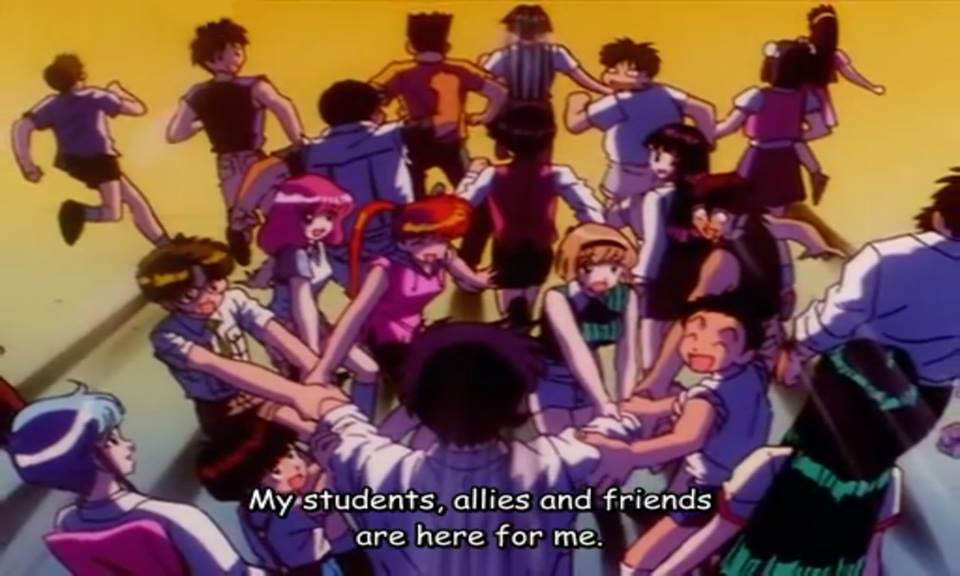
Hell Teacher Nube was a Filipino-dubbed anime which aired in GMA network's prime time television block during the late 90s in the Philippines. Hell Teacher Nube was originally titled Jigoku Sensei Nube that originally run from April 13, 1996 to August 7, 1997 on TV Asahi with a total of 49 episodes. Jigoku Sensei nube was first a manga written by Makura Shō and illustrated by Takeshi Okano published by Shueisha for the Weekly Shōnen Jump Magazine that originally run from September 1993 – May 1999 with 31 volumes. Let's go down memory lane and remember Hell Teacher Nube.

Hell Teacher Nube GMA Network 90s Filipino-Dubbed Anime in Philippines Retro Pilipinas Feature

Hell Teacher Nube - The Story
Hell Teacher Nube Series Plot

Nueno Daisuke, a new teacher moving into Domori Elementary School. Nueno Daisuke, often simply called Nube is an both a warm and caring professor and a yokai "expert" and exorcist. Trouble seems to follow Nube as he must learn to contend with being a guiding and inspirational figure to his students and his colleagues and fend off any yokai that dare harms them.

Jigoku Sensei Nube Nueno Meisuke 5-3 class teacher and yokai exorcist

Nūbē is usually forced to action when various yokai threatens and endangers his beloved students. Nube often use the power of the Demon's Hand (Oni no Te) to assist in solving the problem for the particular episode. The series follows an episodic format featuring different monster or yokai each episode which helps flesh out each characters in the show.

Hell Teacher Nube Opening Theme
Jigoku Sensei Nube Series Intro


"Baribari Saikyou No. 1" (The No. 1 Greatest Hard-Worker)
Performed by Feel So Bad

Hell Teacher Nube Closing Theme
Jigoku Sensei Nube Series Outro


"Mienai Chikara ~Invisible One" (Unseen Power ~Invisible One)
Performed by B'z

Nueno Meisuke in Jigoku Sensei Nube of Domori Elementary School

What is there to say about Hell Teacher Nube? Well, Hell Teacher Nube was one of those nostalgic anime that indirectly educated 90s kids (like myself that time) life lessons. It highlighted and taught about the value of friendship, respect, competitiveness, and valuing what matters most in life. Looking at it now, I personally find anime (thru this series) very fascinating as how effective it is as a form of entertainment and instrumental to shaping the minds, values, and morals of the youth. It has the perfect mix of humor (sometimes "naughty" humor) and seriousness which gives respect to the intellectual capacity of kids. I believe that it is better to not dumb down various shows in order to educate the children and it is up to parents to help and guide them through it. Hell Teacher Nube was also awesome and action packed thanks to the monsters featured each week which are usually "subdued" by the demon (oni) sealed in his left hand.

Domori Elementary School of Class 5-3 Students Under Nueno Meisuke - Hiroshi Tateno, Kyoko Inaba, Miki Hosokawa, Katsuya Kimura, Makoto Kurita

As a kid growing up in the 90s, there wasn't a single episode that I dare miss in Hell Teacher Nube's GMA Network television ran back in the late 90s or early 2000. Feel free to correct me about this if you know exactly it's original run here in the Philippines. Hell Teacher Nube was one of the five anime which was put into the primetime block (Mondays to Fridays at 7:00 or 7:30 PM) back in the days. A very bold and admirable thing by a television network when you look at it now. Back then, I could say that it was better that GMA took its younger audience seriously and featured anime first before getting on with the usual adult stuff like soap operas or movies. Looking at how television now, I somewhat miss those days. Now all kids have are those cliche'd local telenovelas that dumbs them down forcing morality, subliminally teaching them promiscuity not backed up by good sex education, and be "drama" kinds and queens. But I am digressing, we'll leave the state of television and social commentary for another day.

Favorite Jigoku Sensei Nube is  episode 47 about Nueno Meisuke against the god  yokai of poverty and friendship

Hell Teacher Nube episode 47 about Teacher Nube versus the god of poverty  and having friends to be always there for him


I remember doing sketches featuring Hell Teacher Nube characters in my notebook. Just recently I was able to relive what made it click as I re-watch Hell Teacher Nube episodes online (you can check out the series on the link there). There is also a Hell Teacher Nube Live action series available online if you are also interested. After re-watching the anime series, one particular episode stood out to me. It was Jigoku Sensei Nube episode 47 which was entitled "Strongest! Greatest! The final enemy! And his name is...God of Poverty!!" I will not spoil it for you but I highly recommend that you see it.

Hell Teacher Nube Title Card Filipino Dubbed Japanese Anime Jigoku Sensei Nube Aired in the Philippines

How about you guys? Did you remember how Hell Teacher Nube was like back in the days? Did you like the series or have other anime's in that GMA Anime Primtime block that you prefer (Monster Ranger, Master of Mosquiton, Vission of Escaflowne, etc.)? do you have any particular favorite episode, characters, yokai, merchandise, experiences and memories related to the show? Share your thoughts and experiences about Hell Teacher Nube in the comments section below:
Read More

Koseidon | Dinosaur Corps Koseidon | ABS-CBN 90s Filipino-Dubbed Tokusatsu Show

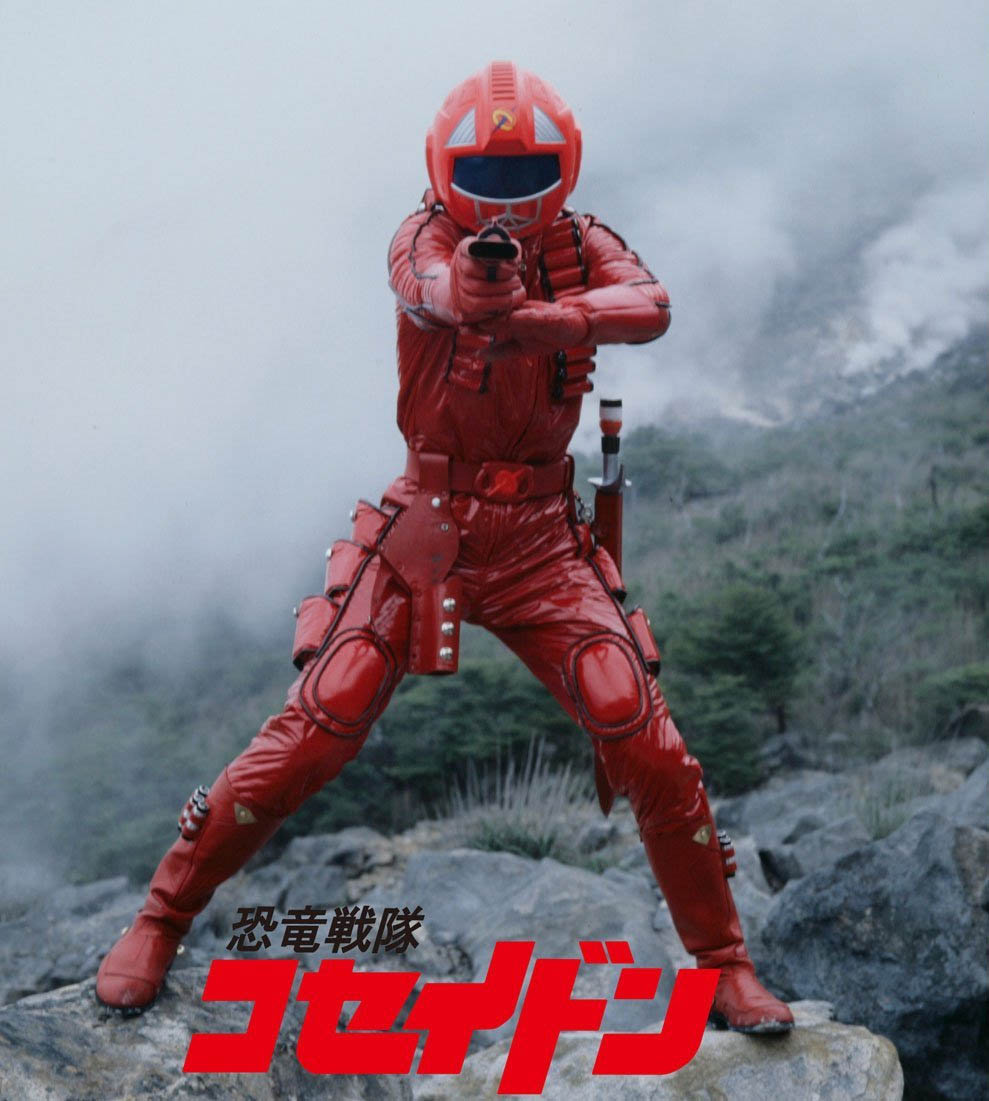
Koseidon was a Filipino-dubbed Japanese superhero tokusatsu show that aired every Sundays in ABS-CBN during the 90s (1991 and later 1995). Koseidon was originally Dinosaur Corps Koseidon (恐竜戦隊コセイドン Kyōryū Sentai Koseidon), a Japanese Tokusatsu TV series produced by Tsuburaya Productions in two seasons starting from 1978 with a total of 52 episodes. Let's take a look back with the time-traveling red superhero who is simply called as Koseidon and his team.

Dinosaur Corps Koseidon ABS-CBN 90s Filipino-dubbed Tokusatsu Retro Pilipinas Feature

Dinosaur Corps Koseidon - The Story
About Koseidon

Dinosaur Corps Koseidon tells the adventures of Go, a superhero leading a time-travelling patrol to defeat aliens who have altered the course of time after landing on a prehistoric Earth. Dinosor Corps Koseidon and the leader Go's enemies include dinosaurs which are telepathically controlled by the aliens. Koseidon has the ability to stop time for 30 seconds to finish off the enmies.

Koseidon Opening and Closing Theme
Dinosaur Corps Koseidon Series Intro and Outro


What is there to say about Dinosaur Corps Koseidon? Well first off, I'll drop the Dinosaur Corps and simply refer to the show as Koseidon. In my research, I stumbled upon the information that Koseidon aired twice in ABS-CBN; first being in 1991 and later in 1995. I actually misheard this series protagonist's name and called him "Poseidon", substituting "P" with "K". I later found out that Poseidon was the Olympian deity (the God of the Sea) and not the red sentai-like ranger, Koseidon. Little know fact, Koseidon in its original Japanese text translates to "Kyōryū Sentai Koseidon", but Koseidon is not a sentai; specifically not a part of the "Super Sentai" series. Well initially "sentai" means a military unit and may be literally translated as "squadron", "task force", "group" or "wing" (as defined by Wikipedia), so since Koseidon is more of the task force assigned to protect time from a malevolent alien race, then it really did deserve the "sentai" in its title. It is only later that the word "sentai" has been adapted into a group of (usually) five members along with their mecha(s); later adding the word "super" in the term "Super Sentai" to differentiate this kind of tokusatsu.

Go as Koseidon in Dinosaur Corps Koseidon aired in ABS CBN Philippines

High quality Dinosaur Corps Koseidon image can be seen circulating online since this nostalgic show was released on DVD. You can simply go check various online stores if you are interested in reliving this series.


Going back to reminiscing about Koseidon. I think, I was already was a big fan of various tokusatsu shows like Ultraman, MagmaMan, and MachineMan; which is why I always associate Koseidon as an individual and not as a military unit. Well, I was a 90s kid so I was excused to believe anything I want. My fondest recollection is Go being fired in this cannon where he eventually transforms (henshins) into the "time warrior" Koseidon (the individual). I've seen a few clips of Koseidon online and I can say it didn't really stood up well to the test of time (the irony), as I found myself laughing at the premise of time-travel and its possible (butterfly-effect) complications and how dark "old" Japanese kids show can get. I listened and watched the opening and closing theme for Koseidon again which brought some vague memories of it. Memories of Koseidon being launched off... "Fightus Bomber One, take off... Fightus Bomber Two, Take off..." I don't even know if "Fightus" is even what they were saying. This is coming from a 90s kid who though Koseidon's name was spelled and pronounced as Poseidon.

Dinosaur Corps Koseidon title card Filipino-dubbed Tokusatsu show that aired in ABS-CBN in the 90s

How about you guys? Do you still remember this Filipino-dubbed tokusatsu show that aired in ABS-CBN around the 90s? What is your fondest recollection about the show? Do you have any merchandise, favorite episode, or character in the show? Share us your thoughts and memories about Dinosaur Corps Koseidon in the comments section below:
Read More

Eto Rangers | Juuni Senshi Bakuretsu Eto Ranger | ABC-5's 90s Filipino Dubbed Anime Retrospective

Eto Rangers was a Filipino dubbed (Japanese) anime which aired in ABC-5 (now TV5) back in the 90s here in the Philippines about the adventure of 12 anthropomorphic Chinese Zodiac characters as they traveled various fairy tale worlds. Eto Rangers was originall titled Juuni Senshi Bakuretsu Eto Ranger (Twelve Warrior Explosive Eto Rangers) that originally run from April 7, 1995 to January 26, 1996 on NHK with a total of 39 episodes. Let's go down memory lane and remember Eto Rangers.

Eto Rangers 90s Anime on ABC-5 Chinese Zodiac Inspired Filipino dub Retro Pilipinas Feature

Eto Rangers - The Story
Juuni Senshi Bakuretsu Eto Ranger Premise

The Eto Rangers anthropomorphic animals representing each of the twelve Chinese Zodiac animals which in Japan is called "Eto" animals, thus the Eto in Eto Rangers. The Eto Rangers are sworn protectors of the Novel Worlds. These Novel Worlds are stories created by human imagination (folktales, legends, fables, and fairy tales) which plays out repeatedly for the goodness of humanity. The Novel worlds are eventually endangered by Nyanma by distorting each stories using the Jarei monsters. Nyanma (represents the forgotten spirit of cats) who was once Chocolat was excluded from being chosen as one of the 12 protectors by being disqualified in the race.

Eto Rangers on ABC-5 Powell, Bukuh, Delacao, Kelly, Paccalachi, Wannie-Wannie, Yabu, Cesley, Mencue, Chickee, Yalung, Vivi

The Eto Rangers which primary comprised of Bakumaru (rat) known as Powell in the Filipino dub version, Hols (Ox) as Bukuh, Gao (tiger) as Delacao, Cream (rabbit) as Kelly, Drago (dragon) as Paccalachi, Nyorori (snake) as Wannie-Wannie, Pakaracchi (horse) as Yabu, Souffle (sheep) as Cesley, Monk (monkey) as Mencue, Tart (rooster) as Chickee, Pochiro (dog) as Yalung, and Urii (pig) as Vivi. The Eto Rangers boards the Space-Time Transmitting Machine Kirinda to repair the Novel Worlds of Mugen which has been altered by a Jarei monster. Missions to each Novel world usually involves up to 5 Eto Rangers chosen by the Kirinda's roulette member selection system. Each Novel world story altered by a Jarei monster turnes it into a different version or sometimes a parody of itself. Since most of the stories in the novel world involves fables or features an animal, Eto Ranger members chosen for such mission usually takes on the role of one of the characters in the tale. Bakumaru (Powell) must use the Genmakyou mirror (shouting "lumabas ka halimaw!") to reveal the evil spirit once enough clues lead to its identity. Kirinda is usually summoned after defeating the Jarei monster to purify the evil spirit with a "laser beam" weapon finally restoring the Novel world story to its original form.

Eto Rangers Opening Theme
Juuni Senshi Bakuretsu Eto Ranger Series Intro


"Mada mada mada"
Sung by Shinmei Yumiko

Eto Rangers Closing Theme
Juuni Senshi Bakuretsu Eto Ranger Series Outro


"Aitakute"
Sung by Kiyomi Kobayashi

ABC-5 Eto Rangers Powell Lumabas Ka Halimaw Retro Pilipinas Filipino Dubbed Anime in the 90s


Eto Rangers one of the classics for a Filipino child growing up during the 90s. There was this certain fascination towards the Zodiac, astrology, or the Chinese influence back in the days and Eto Rangers seems to be the celebration of that. I vaguely recall if this came first before the Power Rangers (or sentai series) or later, but it probably added a charm to the series. Of course, this won't be a memorable anime series if not for the characters and the Novel world stories featured for the day (or week). I remember finding it very entertaining as to how the series put a twist to the usual stories (fairy tales, legends, and fables) we grew up hearing and reading into something new (Noir, old Western, space age, mafia, etc.). I recall it was being showed in ABC-5 alongside Sailor Moon every Saturdays and Dragon Ball on RPN-9 every Sundays. I remember my classmates back in grade school or at home playing Bakumaru holding up a circular object (usually a mirror) holding it up to each other shouting "Lumabas ka Halimaw!" ("Unveil yourself monster!") then act as if we were to fight. Eto Rangers' opening and closing theme also added to how memorable the series now to those of us who grew up watching it.

Juuni Senshi Bakuretsu Eto Ranger Eto Ranger Chinese Zodiac Antropomorphic Animals 90s anime on ABC-5 TV5 Title Card

How about you guys? What are your most memorable experience with the this Chinese Zodiac inspired Japanese animated series? Any particular episode, characters, or memory you have regarding the show? Share your thoughts and opinion about Juuni Senshi Bakuretsu Eto Ranger in the comments section below:
Read More

Turboranger | Kosoku Sentai Turboranger | IBC-13 90s Filipino Dubbed Super Sentai Series

Turboranger was a Filipino dubbed super hero kids show which first aired in IBC-13 every weekends around the late 90s. Turboranger is originally Kousoku Sentai Turboranger (高速戦隊ターボレンジャー Kōsoku Sentai Tāborenjā), the first super sentai of the Heisei period in Japan and was the 13th entry of Toei Company's Super Sentai series. Kousoku Sentai Turboranger originally aired on TV Asahi from February 25, 1989 to February 23, 1990 with a total of 51 episodes

Kousoku Sentai Turboranger Filipino Dubbed Super Sentai Show 90s Run in the Philippines Retro Pilipinas Feature

Kosoku Sentai Turboranger - The Story
Turboranger Premise

Twenty thousand years ago, a Fairy race assisted humans in a battle against the evil Bōma Tribe and was eventally sealed away by Sacred Beast Rakia - a white-maned, winged holy beast defender of Earth, and the keeper of peace and guardian of fairies who sacrificed himself to seal away the tribe with him ultimately transforming into a constellation to watch over the world along with the Turboranger. Unfortunately, due to modern day pollution brought by man's destruction of nature, the power of Fairy magic has weakened, allowing the seal to be broken allowing the once sealed tribe to escape. The last of the living fairies and with the help of Dr. Dazai, Seelon, five Japanese high school seniors were summoned. These chosen high school seniors were special as they were once showered with the "flames of spirit" of the fallen fairies in a forest back when they were still children. They are then able to hear Seelon's voice. Thanks to the collaboration between Seelon's magic and Dr. Dazai's science, these five become the Turborangers.

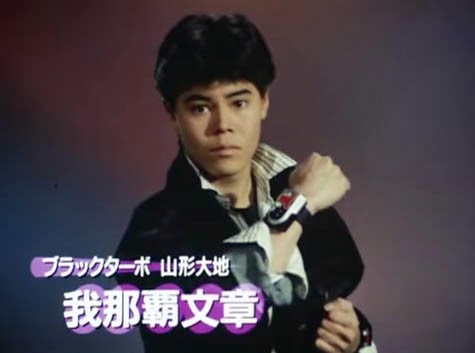
Riki Honoo as Red Turbo in Kousoku Sentai Turboranger Daichi Yamagata as Black Turbo in Kousoku Sentai Turboranger Yohei Hama as Blue Turbo in Kousoku Sentai Turboranger

Riki Honoo as Red Turbo in Kousoku Sentai Turboranger; Daichi Yamagata as Black Turbo in Kousoku Sentai Turboranger; Yohei Hama as Blue Turbo in Kousoku Sentai Turboranger

Kosoku Sentai Turboranger Opening Theme
Turboranger Series Intro


"Kousoku Sentai Turboranger" (高速戦隊ターボレンジャー Kōsoku Sentai Tāborenjā?)
Lyrics by Ikki Matsumoto
Composed by Yoshimasa Inoue
Arrangement by Ryō Yonemitsu
Artist: Kenta Satou

Kosoku Sentai Turboranger Closing Theme
Turboranger Series Outro


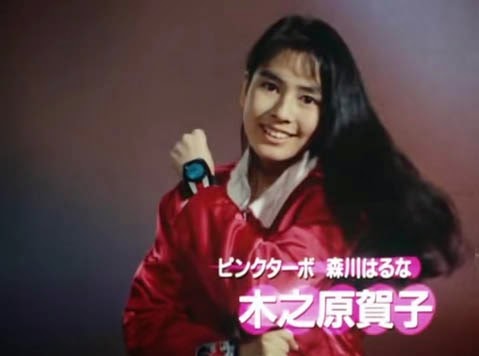
Shunsuke Hino as Yellow Turbo in Kousoku Sentai Turboranger Haruna Morikawa as Pink Turbo in Kousoku Sentai Turboranger

Shunsuke Hino as Yellow Turbo in Kousoku Sentai Turboranger; and Haruna Morikawa as Pink Turbo in Kousoku Sentai Turboranger

"Zigzag Seishun Road" (ジグザグ青春ロード Jiguzagu Seishun Rōdo?, "Zigzag Youth Road")
Lyrics by Ikki Matsumoto
Composed by Yoshimasa Inoue
Arrangement by Ryō Yonemitsu
Artist: Kenta Satou

Retro Super Sentai Turboranger After Finisher Pose Peace Sign


Turborangers was another memorable Filipino dubbed super sentai series of the past. I remember seeing it back-to-back with a rerun of Masked Rider Black on a Sunday afternoon or morning ( probably the prior but can't be sure, please correct me if I am wrong) in IBC-13. I have a few recollection of this sentai series since I believe it came later during the 90s or me growing out of my childhood. I mostly remember the highlights mainly that this sentai main's theme (for suits) which is automobiles, fairies, and the monster of the week being sealed first in an overgrown nail. If I am not mistaken this is one of those sentai series that was eventually cut from its Philippine television run ultimately frustrating and putting the kids (including myself) who watched it in a state of indefinite cliffhanger (good example being Masked Rider Black). Why is it those classic retro super sentai shows has such a memorable and catchy opening and closing themes? Is it merely nostalgia or do they simply have better music back then? In any case Turboranger has both of its opening and closing themes as catchy as any other.

Retro Pilipinas on Turboranger 90s Super Sentai Series on IBC 13 Philippines

How about you guys? What are your fondest memories of Turboranger? Any special merchandise; memories of episode, characters (protagonists or villains), experience you remember in connection with Turborangers? Share your thoughts about Kosoku Sentai Turboranger in our comments section below:
Read More