Showing posts with label Japan. Show all posts

Superbook in the Philippines | 90s English-Dubbed Children's Show

Superbook was an English-dubbed animated show for children which aired in the Philippines back in the late 90s about bible stories. Superbook, originally entitled "Animated Parent and Child Theatre" in Japan was initially produced by Tatsunoko Productions in Japan in conjunction with the Christian Broadcasting Network in the United States that originally run from October 1, 1981 to March 29, 1982 on TV Tokyo (in Japan) and on CBN (United States) with a total of 52 episodes; two seeming different season (or series) in terms of the iteration of the story. Let's go down memory lane and remember the original English-dubbed Superbook run in Philippine Television.
Superbook English-Dubbed Religious Children Show 90's  Retro Pilipinas Feature

Superbook - The Story
About Superbook

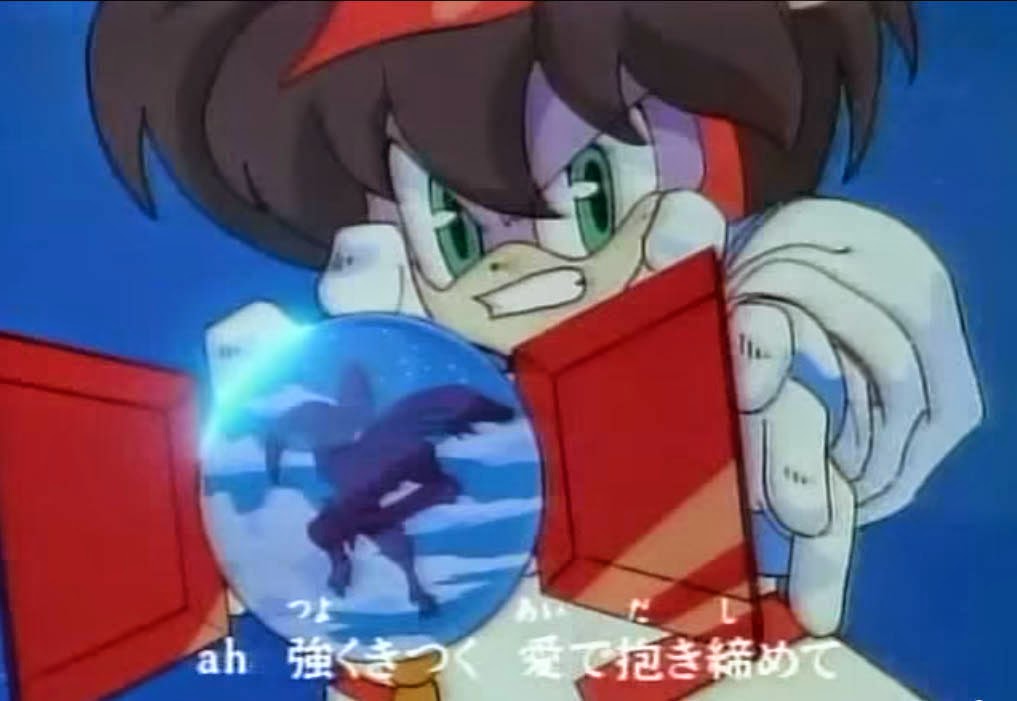
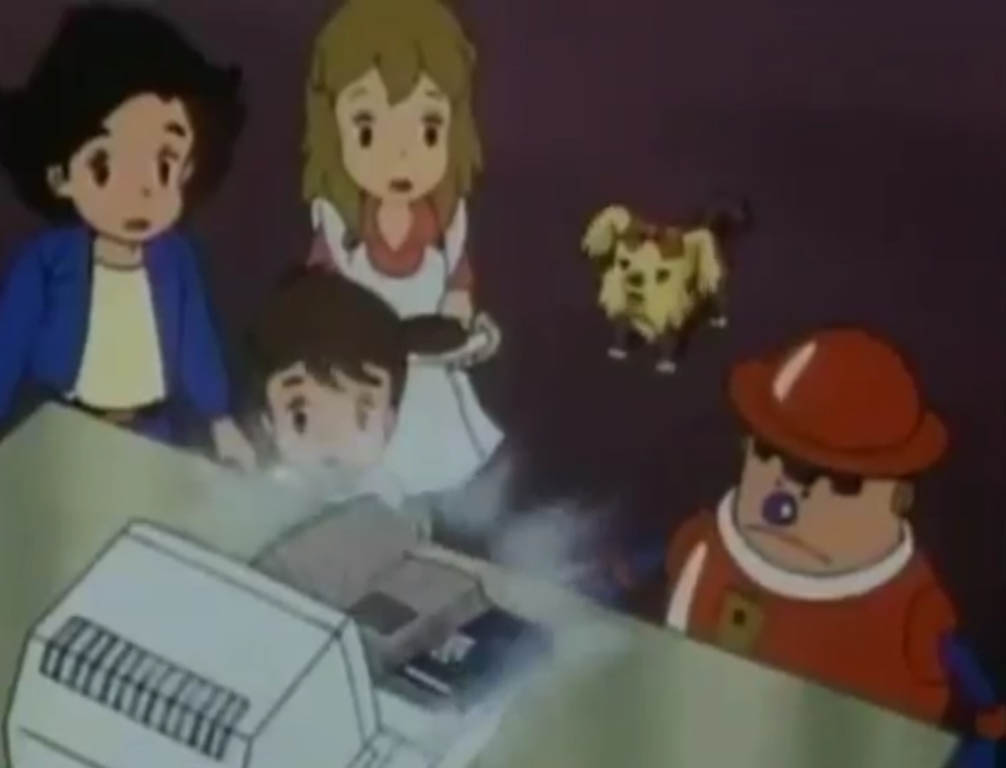
The first series (season) of Superbook began at the home of a young boy named Christopher Peeper (Sho Azuka in Japanese) who discovers the "Superbook" (Time/Space Travel Book) Bible that speaks and sends him, his friend Joy (Azusa Yamato), and his clockwork toy robot Gizmo (Zenmaijikake) back in time to the early events of the Old Testament. Gizmo can walk and talk, but only for the duration of the adventure and needs to be wound up regularly in order to function. This first series of Superbook featured stories mainly from the Old Testament of the Hebrew Scriptures, although a few episodes dealt with the life and ministry of Jesus Christ.

Superbook original 80's and 90's anime religious show featuring Christopher Chris Peeper, Joy, Uriah Peeper, Gizmo, and Ruffles Superbook classic

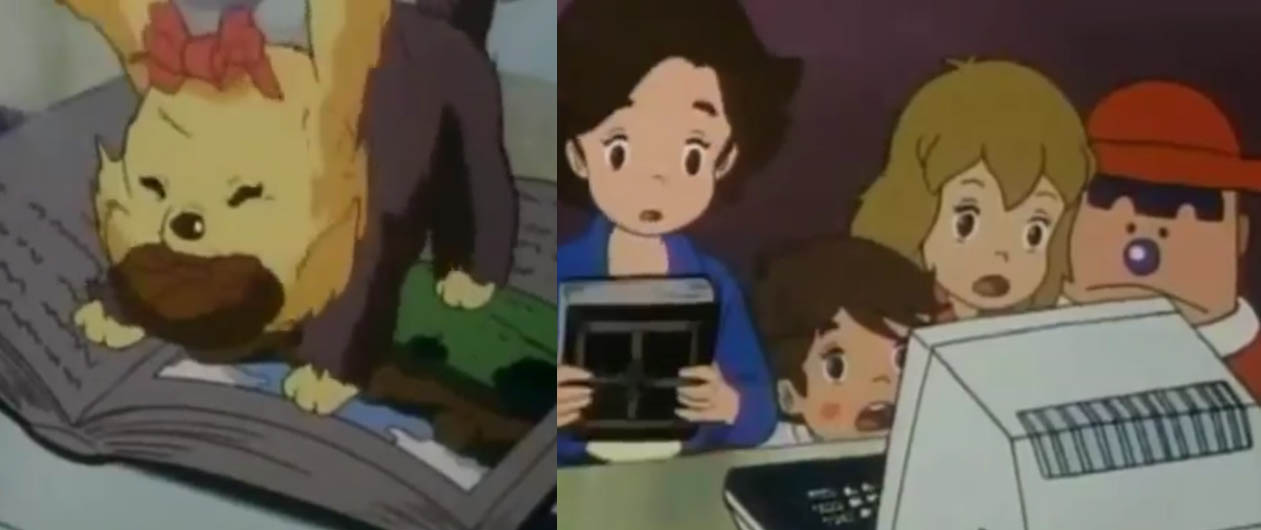
In the second series of Superbook II (episode 27 onwards), which took place two years after the first series, the book fell onto a computer keyboard, giving anybody the ability to see into the past from Christopher's home via the monitor. Ruffles, Chris' dog, managed to get lost in time, prompting Gizmo and Chris' cousin Uriah (or "Uri" for short; Hisashi in the original Japanese) to search for her. Chris and Joy kept watch and control of the computer from the present. The older children also had a hard time trying to keep what happened a secret from Chris's parents. Gizmo appeared as a functioning robot in the present day rather than as a toy (first series) in this (second) series, however Gizmo still needs to be wound up on a regular basis. Gizmo also had a built in computer keyboard and a monitor in his chest in order for Gizmo and Uri to stay in contact with Chris and Joy in the present day as well as transporting to other places in time or returning to the present. The Second Season of Superbook focused solely on Old Testament stories; covering some stories featured in Season One (for example, the stories of Abraham, Joseph and King David) in more detail, while also covering and featuring some stories not included in the first series (i.e. the Fall of Sodom and Gomorrah).

Superbook Series 2 US Opening Theme
Superbook Season 2 US Series Intro


Superbook Series 1 US Closing Theme
Superbook Season 1 US Series Outro


Superbook Series 2 US Opening Theme
Superbook Season 2 US Series Intro


What can be said about Superbook's run in Philippine television back in the late 90s? Well, looking back at it now it sure brings a lot of nostalgia specially that US opening and closing theme. They are those that will keep ringing in your head when you feel like being nostalgic about it. The concept of kids traveling through time to learn various life lessons and learning about "historical" characters seems to be a great formula; ABS-CBN's Bayani uses this same formula as well. If only there is a computer that allows one be "magically" transported to the world found in the book that falls on it and not be harmed by "some" violent tendencies also featured in that book. What if the characters of Superbook was in the actual Sodom and Gomorrah and while it was being "purged", Superbook would probably be not that too kid-friendly. Oh wait a minute, I remember the story of "Joshua and Walls of Jericho" (also "The Battle of Jericho") which was also featured in Superbook. So that probably answered my question, as long as violence is kept from the eyes of the main protagonists and the young audience, it is all good; but I digress.

Superbook original Japanese 80's anime and Christian Broadcasting Network's English-Dubbed Religious Show for Children in its original Philippine television run in the late 90's


In a majorly Christian (or Catholic) country like the Philippines, the English-dubbed Superbook animated series blends so perfectly well. Who knew that most of us kids growing up during the 90s were already being indoctrinated in teachings of Christianity specifically Old Testament Bible stories through this wonderful anime about "time travel". Now that we are all grown up and have wider views with the world now, we can all see what Superbook is really IS now.

Superbook title card english-dubbed religious show for kids Filipino tv philippine television run in the late 90's

How about you guys? What are your fondest memories with Superbook? Share your thoughts and opinion about the original English-dubbed Superbook Philippine television run in the comments section below.
Read More

Janperson | Tokusou Robo Janperson | ABC-5 90s Filipino-Dubbed Tokusatsu

Tokusou Robo Janperson or simply known as Janperson was a Filipino-dubbed super hero kids show that aired in ABC-5 (now known as TV5) around the late 90s (or early 2000). Janperson had an original title of Tokusou Robo Janperson (特捜ロボ ジャンパーソン Tokusō Robo Janpāson), was a tokusatsu series and 1993 installment in Toei Company Limited's Metal Hero Series; Tokusou Robo Janperson was the 12th in the Metal Hero series. Janperson, produced by Toei originally aired in TV Asahi from January 31, 1993 to January 23, 1994 with a total of 50 episodes with a 30-minute running time. The opening catchphrase of the series is "Janperson Fights For Justice" which has a similar tone and feel to Mobile Cop Jiban. Let's go down memory lane and remember Tokusou Robo Janperson.

Tokusou Robo Janperson Retro Pilipinas Feature ABC-5 90s Filipino-dubbed Tokusatsu

Janperson - The Story
About Tokusou Robo Janperson

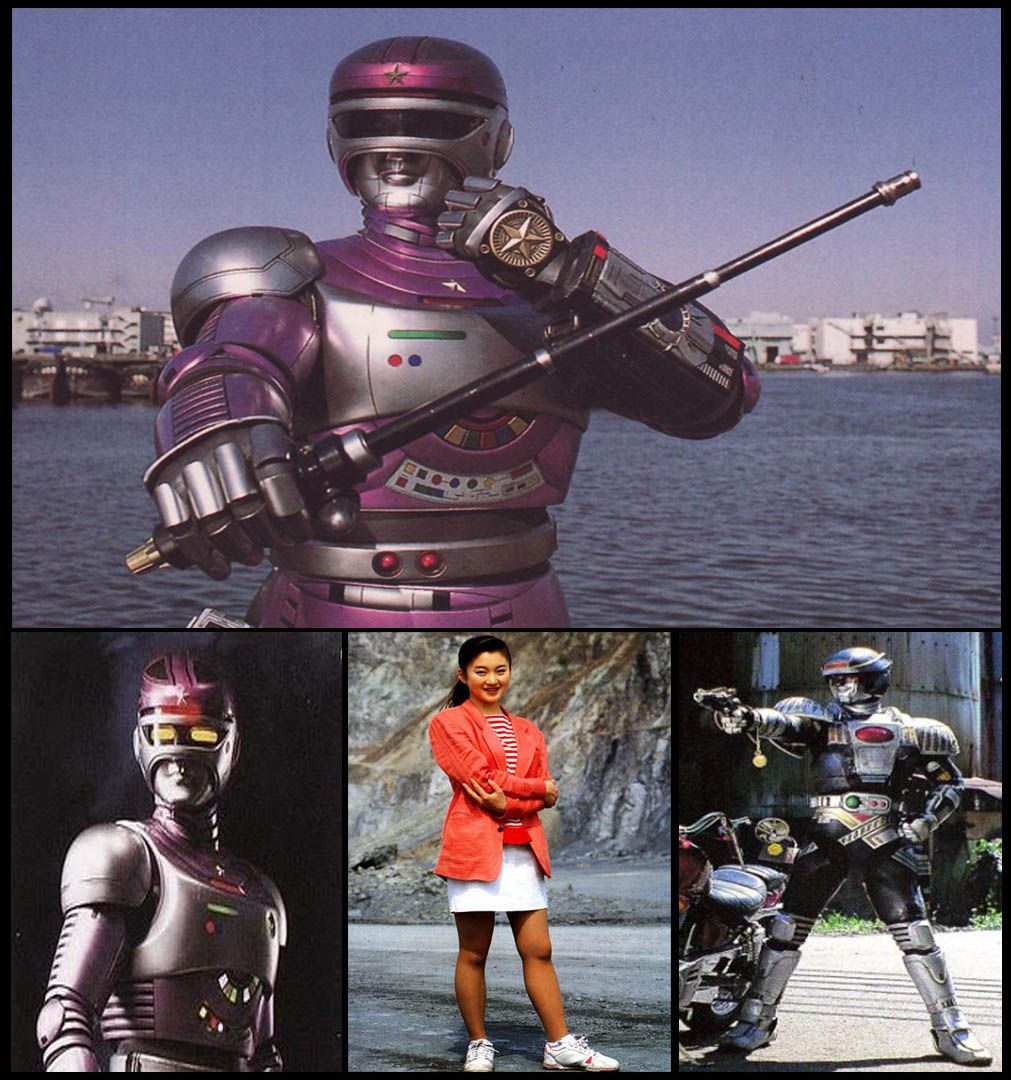
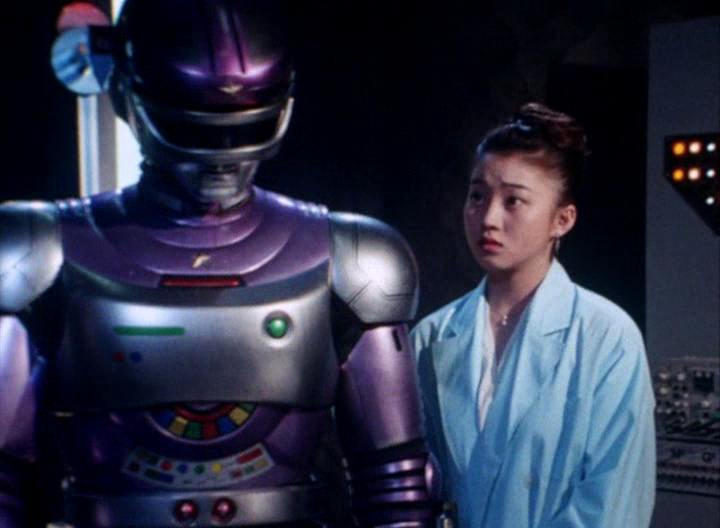
Tokusou Robo Janperson revolved around Janperson, a purple & silver android robot detective. He was once a prototype combat robot driven berserk by the command to "Destroy Evil," that led to his deactivation and was later stripped of most weaponry and reprogrammed with human emotions by the young female scientist Kaoru Saegusa.

Tokusou Robo Janperson Janperson and Kaoru Saegusa

Janperson patrols the streets of Tokyo and fights against three different underworld organizations who used super technology to subjugate the masses. Unlike most Metal Heroes with a monster-of-the-week format, monsters were rarely shown and most of the villains are criminals akin to more television police dramas than tokusatsu or metal hero.

Janperson Opening Theme
Tokusou Robo Janperson Series Intro


"Tokusō Robo Janperson"
Lyrics by Keisuke Yamakawa
Composition by Keisuke Hama
Arrangement by Kei Wakakusa
Artist: Susumu Ōya

Janperson Closing Theme
Tokusou Robo Janperson Series Outro


"Asayake no Lullaby"
Lyrics and composition by Keisuke Yamakawa
Composition by Keisuke Hama
Arrangement by Kei Wakakusa
Artist: Susumu Ōya

Tokusou Robo Janperson using Janperson Cards in Tagalized Metal Hero Series shown in the ABC-5 Philippines


What can be said about Janperson's run on ABC-5 back in the late 90s. Janperson was that cool robot detective series shown every Sunday afternoon that made Filipino kids love robotic or android heroes even more. I have to give it to Japan for making quality kids show with a more darker and serious tone. You know some boys don't want to be treated as a child, and Janperson was like that. Recalling it now, I remember it being serious but still retained that tokusatsu charm from prior series shown here. Although it didn't have that many kaijins or monsters for each episode, it made up for good character development and more sinister android villains. It was a Sunday afternoon (to evening) tokusatsu that treated kids with respect (as how I romanticized it).

Tokusou Robo Janperson Janperson and Guy Gibson

What other things can be remembered about the show? Well, Janperson has this signature gimmick of throwing these (business) cards which by the way is called "Janperson Cards". Janperson also has a wide array of weapons at his disposal. One can really notice that it draws inspiration from RoboCop from his movement and how he operated (where weapons are drew from) as both are robot police (in Janperson's case, a detective) implementing justice in service of mankind. Of course, it along the series, Janperson acquires various upgrade which is always a good way to make it appear to us that besides the drama, Janperson is also growing and improving into a more badass android. Later on, he acquires a new ally which evens up the playing field since enemies tend to gang up on him with overwhelming force. Maybe I can re-watch it one of these days if it still holds up to today's standards or this was all just nostalgia.

Tokusou Robo Janperson Title Card ABC-5 Filipino-dubbed metal hero tokusatsu series tagalized tv5 Janperson Philippines

How about you guys, do you have any memorable moments, episodes, experiences, or merchandise from this nostalgic Metal Hero show? Share your thoughts about Tokusou Robo Janperson in the comments section below:
Read More

Hell Teacher Nube | Jigoku Sensei Nube | A GMA 90s Filipino-Dubbed Anime Retrospective

Hell Teacher Nube was a Filipino-dubbed anime which aired in GMA network's prime time television block during the late 90s in the Philippines. Hell Teacher Nube was originally titled Jigoku Sensei Nube that originally run from April 13, 1996 to August 7, 1997 on TV Asahi with a total of 49 episodes. Jigoku Sensei nube was first a manga written by Makura Shō and illustrated by Takeshi Okano published by Shueisha for the Weekly Shōnen Jump Magazine that originally run from September 1993 – May 1999 with 31 volumes. Let's go down memory lane and remember Hell Teacher Nube.

Hell Teacher Nube GMA Network 90s Filipino-Dubbed Anime in Philippines Retro Pilipinas Feature

Hell Teacher Nube - The Story
Hell Teacher Nube Series Plot

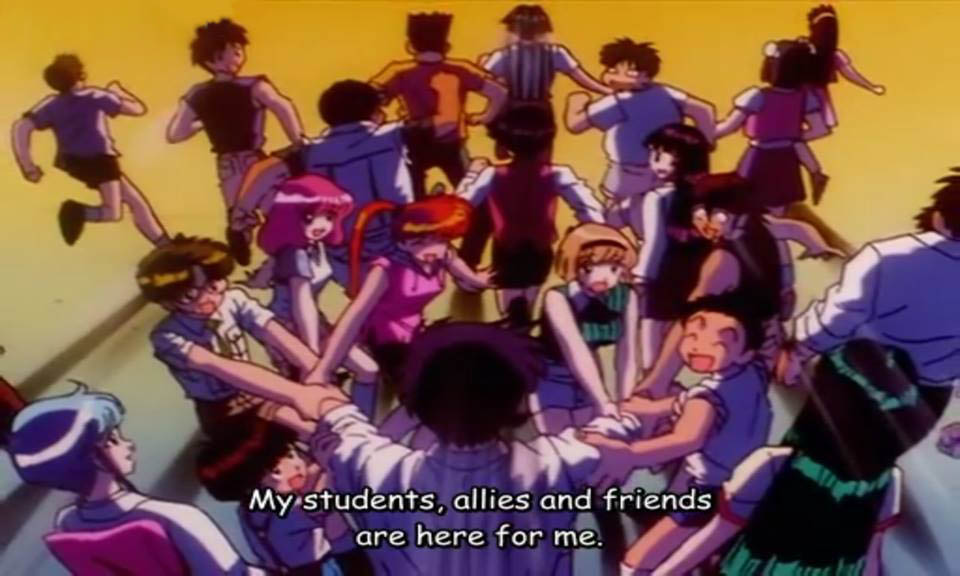
Nueno Daisuke, a new teacher moving into Domori Elementary School. Nueno Daisuke, often simply called Nube is an both a warm and caring professor and a yokai "expert" and exorcist. Trouble seems to follow Nube as he must learn to contend with being a guiding and inspirational figure to his students and his colleagues and fend off any yokai that dare harms them.

Jigoku Sensei Nube Nueno Meisuke 5-3 class teacher and yokai exorcist

Nūbē is usually forced to action when various yokai threatens and endangers his beloved students. Nube often use the power of the Demon's Hand (Oni no Te) to assist in solving the problem for the particular episode. The series follows an episodic format featuring different monster or yokai each episode which helps flesh out each characters in the show.
Hell Teacher Nube Opening Theme
Jigoku Sensei Nube Series Intro


"Baribari Saikyou No. 1" (The No. 1 Greatest Hard-Worker)
Performed by Feel So Bad

Hell Teacher Nube Closing Theme
Jigoku Sensei Nube Series Outro


"Mienai Chikara ~Invisible One" (Unseen Power ~Invisible One)
Performed by B'z

Nueno Meisuke in Jigoku Sensei Nube of Domori Elementary School

What is there to say about Hell Teacher Nube? Well, Hell Teacher Nube was one of those nostalgic anime that indirectly educated 90s kids (like myself that time) life lessons. It highlighted and taught about the value of friendship, respect, competitiveness, and valuing what matters most in life. Looking at it now, I personally find anime (thru this series) very fascinating as how effective it is as a form of entertainment and instrumental to shaping the minds, values, and morals of the youth. It has the perfect mix of humor (sometimes "naughty" humor) and seriousness which gives respect to the intellectual capacity of kids. I believe that it is better to not dumb down various shows in order to educate the children and it is up to parents to help and guide them through it. Hell Teacher Nube was also awesome and action packed thanks to the monsters featured each week which are usually "subdued" by the demon (oni) sealed in his left hand.

Domori Elementary School of Class 5-3 Students Under Nueno Meisuke - Hiroshi Tateno, Kyoko Inaba, Miki Hosokawa, Katsuya Kimura, Makoto Kurita

As a kid growing up in the 90s, there wasn't a single episode that I dare miss in Hell Teacher Nube's GMA Network television ran back in the late 90s or early 2000. Feel free to correct me about this if you know exactly it's original run here in the Philippines. Hell Teacher Nube was one of the five anime which was put into the primetime block (Mondays to Fridays at 7:00 or 7:30 PM) back in the days. A very bold and admirable thing by a television network when you look at it now. Back then, I could say that it was better that GMA took its younger audience seriously and featured anime first before getting on with the usual adult stuff like soap operas or movies. Looking at how television now, I somewhat miss those days. Now all kids have are those cliche'd local telenovelas that dumbs them down forcing morality, subliminally teaching them promiscuity not backed up by good sex education, and be "drama" kinds and queens. But I am digressing, we'll leave the state of television and social commentary for another day.

Favorite Jigoku Sensei Nube is  episode 47 about Nueno Meisuke against the god  yokai of poverty and friendship

Hell Teacher Nube episode 47 about Teacher Nube versus the god of poverty  and having friends to be always there for him


I remember doing sketches featuring Hell Teacher Nube characters in my notebook. Just recently I was able to relive what made it click as I re-watch Hell Teacher Nube episodes online (you can check out the series on the link there). There is also a Hell Teacher Nube Live action series available online if you are also interested. After re-watching the anime series, one particular episode stood out to me. It was Jigoku Sensei Nube episode 47 which was entitled "Strongest! Greatest! The final enemy! And his name is...God of Poverty!!" I will not spoil it for you but I highly recommend that you see it.

Hell Teacher Nube Title Card Filipino Dubbed Japanese Anime Jigoku Sensei Nube Aired in the Philippines

How about you guys? Did you remember how Hell Teacher Nube was like back in the days? Did you like the series or have other anime's in that GMA Anime Primtime block that you prefer (Monster Ranger, Master of Mosquiton, Vission of Escaflowne, etc.)? do you have any particular favorite episode, characters, yokai, merchandise, experiences and memories related to the show? Share your thoughts and experiences about Hell Teacher Nube in the comments section below:
Read More

Koseidon | Dinosaur Corps Koseidon | ABS-CBN 90s Filipino-Dubbed Tokusatsu Show

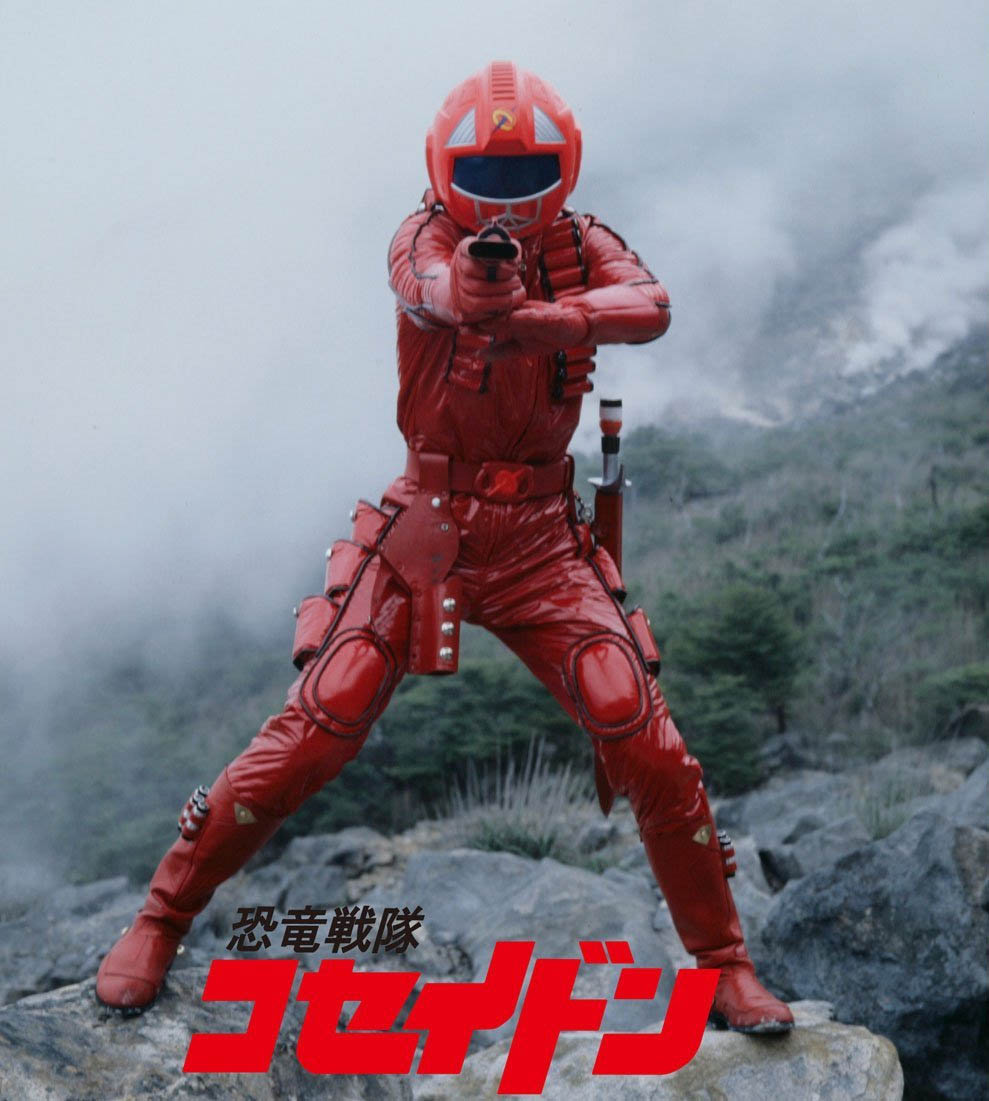
Koseidon was a Filipino-dubbed Japanese superhero tokusatsu show that aired every Sundays in ABS-CBN during the 90s (1991 and later 1995). Koseidon was originally Dinosaur Corps Koseidon (恐竜戦隊コセイドン Kyōryū Sentai Koseidon), a Japanese Tokusatsu TV series produced by Tsuburaya Productions in two seasons starting from 1978 with a total of 52 episodes. Let's take a look back with the time-traveling red superhero who is simply called as Koseidon and his team.

Dinosaur Corps Koseidon ABS-CBN 90s Filipino-dubbed Tokusatsu Retro Pilipinas Feature

Dinosaur Corps Koseidon - The Story
About Koseidon

Dinosaur Corps Koseidon tells the adventures of Go, a superhero leading a time-travelling patrol to defeat aliens who have altered the course of time after landing on a prehistoric Earth. Dinosor Corps Koseidon and the leader Go's enemies include dinosaurs which are telepathically controlled by the aliens. Koseidon has the ability to stop time for 30 seconds to finish off the enmies.

Koseidon Opening and Closing Theme
Dinosaur Corps Koseidon Series Intro and Outro


What is there to say about Dinosaur Corps Koseidon? Well first off, I'll drop the Dinosaur Corps and simply refer to the show as Koseidon. In my research, I stumbled upon the information that Koseidon aired twice in ABS-CBN; first being in 1991 and later in 1995. I actually misheard this series protagonist's name and called him "Poseidon", substituting "P" with "K". I later found out that Poseidon was the Olympian deity (the God of the Sea) and not the red sentai-like ranger, Koseidon. Little know fact, Koseidon in its original Japanese text translates to "Kyōryū Sentai Koseidon", but Koseidon is not a sentai; specifically not a part of the "Super Sentai" series. Well initially "sentai" means a military unit and may be literally translated as "squadron", "task force", "group" or "wing" (as defined by Wikipedia), so since Koseidon is more of the task force assigned to protect time from a malevolent alien race, then it really did deserve the "sentai" in its title. It is only later that the word "sentai" has been adapted into a group of (usually) five members along with their mecha(s); later adding the word "super" in the term "Super Sentai" to differentiate this kind of tokusatsu.

Go as Koseidon in Dinosaur Corps Koseidon aired in ABS CBN Philippines

High quality Dinosaur Corps Koseidon image can be seen circulating online since this nostalgic show was released on DVD. You can simply go check various online stores if you are interested in reliving this series.


Going back to reminiscing about Koseidon. I think, I was already was a big fan of various tokusatsu shows like Ultraman, MagmaMan, and MachineMan; which is why I always associate Koseidon as an individual and not as a military unit. Well, I was a 90s kid so I was excused to believe anything I want. My fondest recollection is Go being fired in this cannon where he eventually transforms (henshins) into the "time warrior" Koseidon (the individual). I've seen a few clips of Koseidon online and I can say it didn't really stood up well to the test of time (the irony), as I found myself laughing at the premise of time-travel and its possible (butterfly-effect) complications and how dark "old" Japanese kids show can get. I listened and watched the opening and closing theme for Koseidon again which brought some vague memories of it. Memories of Koseidon being launched off... "Fightus Bomber One, take off... Fightus Bomber Two, Take off..." I don't even know if "Fightus" is even what they were saying. This is coming from a 90s kid who though Koseidon's name was spelled and pronounced as Poseidon.

Dinosaur Corps Koseidon title card Filipino-dubbed Tokusatsu show that aired in ABS-CBN in the 90s

How about you guys? Do you still remember this Filipino-dubbed tokusatsu show that aired in ABS-CBN around the 90s? What is your fondest recollection about the show? Do you have any merchandise, favorite episode, or character in the show? Share us your thoughts and memories about Dinosaur Corps Koseidon in the comments section below:
Read More

Eto Rangers | Juuni Senshi Bakuretsu Eto Ranger | ABC-5's 90s Filipino Dubbed Anime Retrospective

Eto Rangers was a Filipino dubbed (Japanese) anime which aired in ABC-5 (now TV5) back in the 90s here in the Philippines about the adventure of 12 anthropomorphic Chinese Zodiac characters as they traveled various fairy tale worlds. Eto Rangers was originall titled Juuni Senshi Bakuretsu Eto Ranger (Twelve Warrior Explosive Eto Rangers) that originally run from April 7, 1995 to January 26, 1996 on NHK with a total of 39 episodes. Let's go down memory lane and remember Eto Rangers.

Eto Rangers 90s Anime on ABC-5 Chinese Zodiac Inspired Filipino dub Retro Pilipinas Feature

Eto Rangers - The Story
Juuni Senshi Bakuretsu Eto Ranger Premise

The Eto Rangers anthropomorphic animals representing each of the twelve Chinese Zodiac animals which in Japan is called "Eto" animals, thus the Eto in Eto Rangers. The Eto Rangers are sworn protectors of the Novel Worlds. These Novel Worlds are stories created by human imagination (folktales, legends, fables, and fairy tales) which plays out repeatedly for the goodness of humanity. The Novel worlds are eventually endangered by Nyanma by distorting each stories using the Jarei monsters. Nyanma (represents the forgotten spirit of cats) who was once Chocolat was excluded from being chosen as one of the 12 protectors by being disqualified in the race.

Eto Rangers on ABC-5 Powell, Bukuh, Delacao, Kelly, Paccalachi, Wannie-Wannie, Yabu, Cesley, Mencue, Chickee, Yalung, Vivi

The Eto Rangers which primary comprised of Bakumaru (rat) known as Powell in the Filipino dub version, Hols (Ox) as Bukuh, Gao (tiger) as Delacao, Cream (rabbit) as Kelly, Drago (dragon) as Paccalachi, Nyorori (snake) as Wannie-Wannie, Pakaracchi (horse) as Yabu, Souffle (sheep) as Cesley, Monk (monkey) as Mencue, Tart (rooster) as Chickee, Pochiro (dog) as Yalung, and Urii (pig) as Vivi. The Eto Rangers boards the Space-Time Transmitting Machine Kirinda to repair the Novel Worlds of Mugen which has been altered by a Jarei monster. Missions to each Novel world usually involves up to 5 Eto Rangers chosen by the Kirinda's roulette member selection system. Each Novel world story altered by a Jarei monster turnes it into a different version or sometimes a parody of itself. Since most of the stories in the novel world involves fables or features an animal, Eto Ranger members chosen for such mission usually takes on the role of one of the characters in the tale. Bakumaru (Powell) must use the Genmakyou mirror (shouting "lumabas ka halimaw!") to reveal the evil spirit once enough clues lead to its identity. Kirinda is usually summoned after defeating the Jarei monster to purify the evil spirit with a "laser beam" weapon finally restoring the Novel world story to its original form.

Eto Rangers Opening Theme
Juuni Senshi Bakuretsu Eto Ranger Series Intro


"Mada mada mada"
Sung by Shinmei Yumiko

Eto Rangers Closing Theme
Juuni Senshi Bakuretsu Eto Ranger Series Outro


"Aitakute"
Sung by Kiyomi Kobayashi

ABC-5 Eto Rangers Powell Lumabas Ka Halimaw Retro Pilipinas Filipino Dubbed Anime in the 90s


Eto Rangers one of the classics for a Filipino child growing up during the 90s. There was this certain fascination towards the Zodiac, astrology, or the Chinese influence back in the days and Eto Rangers seems to be the celebration of that. I vaguely recall if this came first before the Power Rangers (or sentai series) or later, but it probably added a charm to the series. Of course, this won't be a memorable anime series if not for the characters and the Novel world stories featured for the day (or week). I remember finding it very entertaining as to how the series put a twist to the usual stories (fairy tales, legends, and fables) we grew up hearing and reading into something new (Noir, old Western, space age, mafia, etc.). I recall it was being showed in ABC-5 alongside Sailor Moon every Saturdays and Dragon Ball on RPN-9 every Sundays. I remember my classmates back in grade school or at home playing Bakumaru holding up a circular object (usually a mirror) holding it up to each other shouting "Lumabas ka Halimaw!" ("Unveil yourself monster!") then act as if we were to fight. Eto Rangers' opening and closing theme also added to how memorable the series now to those of us who grew up watching it.

Juuni Senshi Bakuretsu Eto Ranger Eto Ranger Chinese Zodiac Antropomorphic Animals 90s anime on ABC-5 TV5 Title Card

How about you guys? What are your most memorable experience with the this Chinese Zodiac inspired Japanese animated series? Any particular episode, characters, or memory you have regarding the show? Share your thoughts and opinion about Juuni Senshi Bakuretsu Eto Ranger in the comments section below:
Read More

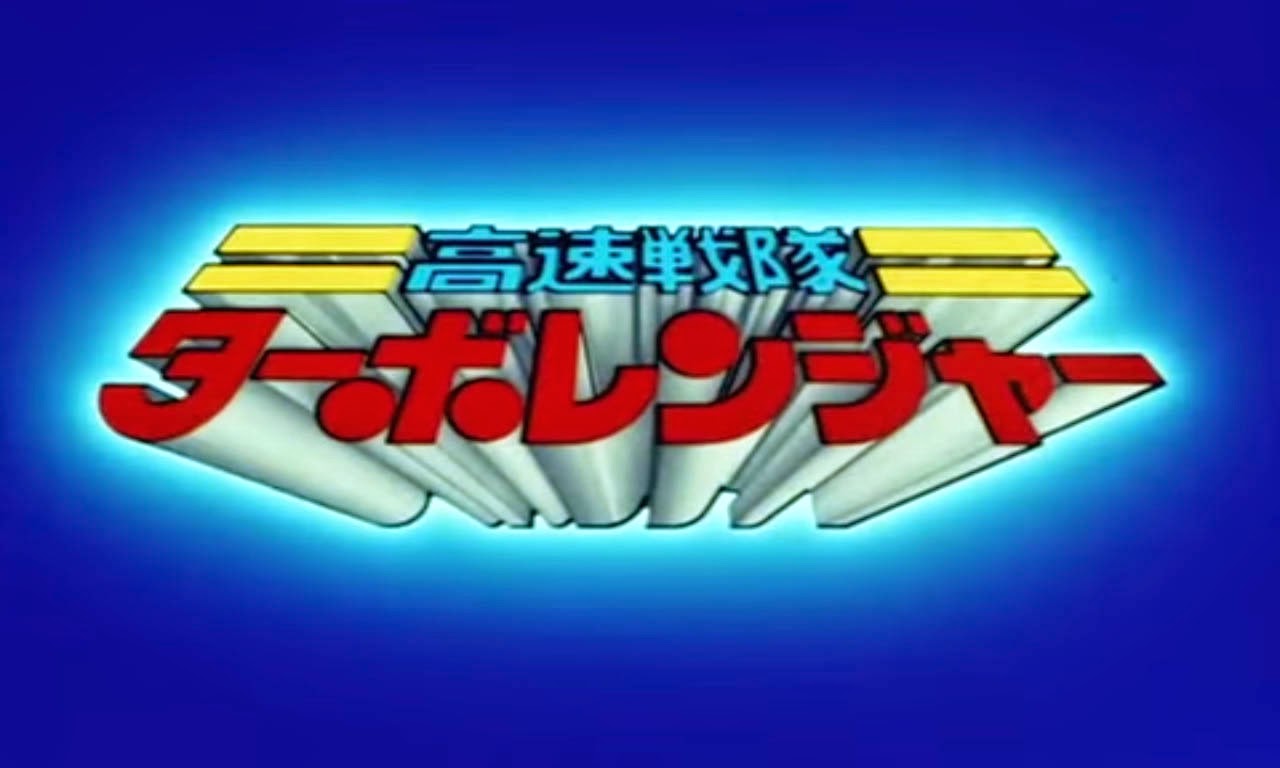
Turboranger | Kosoku Sentai Turboranger | IBC-13 90s Filipino Dubbed Super Sentai Series

Turboranger was a Filipino dubbed super hero kids show which first aired in IBC-13 every weekends around the late 90s. Turboranger is originally Kousoku Sentai Turboranger (高速戦隊ターボレンジャー Kōsoku Sentai Tāborenjā), the first super sentai of the Heisei period in Japan and was the 13th entry of Toei Company's Super Sentai series. Kousoku Sentai Turboranger originally aired on TV Asahi from February 25, 1989 to February 23, 1990 with a total of 51 episodes

Kousoku Sentai Turboranger Filipino Dubbed Super Sentai Show 90s Run in the Philippines Retro Pilipinas Feature

Kosoku Sentai Turboranger - The Story
Turboranger Premise

Twenty thousand years ago, a Fairy race assisted humans in a battle against the evil Bōma Tribe and was eventally sealed away by Sacred Beast Rakia - a white-maned, winged holy beast defender of Earth, and the keeper of peace and guardian of fairies who sacrificed himself to seal away the tribe with him ultimately transforming into a constellation to watch over the world along with the Turboranger. Unfortunately, due to modern day pollution brought by man's destruction of nature, the power of Fairy magic has weakened, allowing the seal to be broken allowing the once sealed tribe to escape. The last of the living fairies and with the help of Dr. Dazai, Seelon, five Japanese high school seniors were summoned. These chosen high school seniors were special as they were once showered with the "flames of spirit" of the fallen fairies in a forest back when they were still children. They are then able to hear Seelon's voice. Thanks to the collaboration between Seelon's magic and Dr. Dazai's science, these five become the Turborangers.

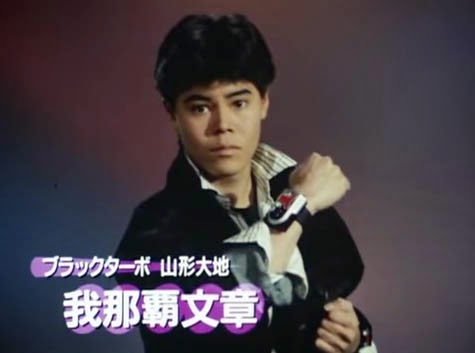
Riki Honoo as Red Turbo in Kousoku Sentai Turboranger Daichi Yamagata as Black Turbo in Kousoku Sentai Turboranger Yohei Hama as Blue Turbo in Kousoku Sentai Turboranger

Riki Honoo as Red Turbo in Kousoku Sentai Turboranger; Daichi Yamagata as Black Turbo in Kousoku Sentai Turboranger; Yohei Hama as Blue Turbo in Kousoku Sentai Turboranger

Kosoku Sentai Turboranger Opening Theme
Turboranger Series Intro


"Kousoku Sentai Turboranger" (高速戦隊ターボレンジャー Kōsoku Sentai Tāborenjā?)
Lyrics by Ikki Matsumoto
Composed by Yoshimasa Inoue
Arrangement by Ryō Yonemitsu
Artist: Kenta Satou

Kosoku Sentai Turboranger Closing Theme
Turboranger Series Outro


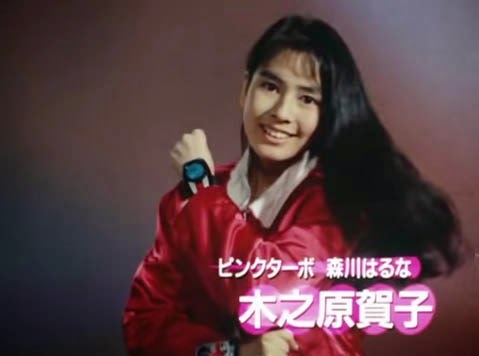
Shunsuke Hino as Yellow Turbo in Kousoku Sentai Turboranger Haruna Morikawa as Pink Turbo in Kousoku Sentai Turboranger

Shunsuke Hino as Yellow Turbo in Kousoku Sentai Turboranger; and Haruna Morikawa as Pink Turbo in Kousoku Sentai Turboranger

"Zigzag Seishun Road" (ジグザグ青春ロード Jiguzagu Seishun Rōdo?, "Zigzag Youth Road")
Lyrics by Ikki Matsumoto
Composed by Yoshimasa Inoue
Arrangement by Ryō Yonemitsu
Artist: Kenta Satou

Retro Super Sentai Turboranger After Finisher Pose Peace Sign


Turborangers was another memorable Filipino dubbed super sentai series of the past. I remember seeing it back-to-back with a rerun of Masked Rider Black on a Sunday afternoon or morning ( probably the prior but can't be sure, please correct me if I am wrong) in IBC-13. I have a few recollection of this sentai series since I believe it came later during the 90s or me growing out of my childhood. I mostly remember the highlights mainly that this sentai main's theme (for suits) which is automobiles, fairies, and the monster of the week being sealed first in an overgrown nail. If I am not mistaken this is one of those sentai series that was eventually cut from its Philippine television run ultimately frustrating and putting the kids (including myself) who watched it in a state of indefinite cliffhanger (good example being Masked Rider Black). Why is it those classic retro super sentai shows has such a memorable and catchy opening and closing themes? Is it merely nostalgia or do they simply have better music back then? In any case Turboranger has both of its opening and closing themes as catchy as any other.

Retro Pilipinas on Turboranger 90s Super Sentai Series on IBC 13 Philippines

How about you guys? What are your fondest memories of Turboranger? Any special merchandise; memories of episode, characters (protagonists or villains), experience you remember in connection with Turborangers? Share your thoughts about Kosoku Sentai Turboranger in our comments section below:
Read More

Raijin-Oh | Zettai Muteki Raijin-Oh | Absolutely Invincible Raijin-Oh | RPN 9's 90s English Dubbed Japanese Anime

Zettai Muteki Raijin-Oh or simply Raijin-Oh was a popular English-dubbed Japanese animated series that aired in RPN around the 90s. Zettai Muteki Raijin-Oh or Absolutely Invincible Raijin-Oh was produced by Sunrise and originally aired in TV Tokyo from April 3, 1991 to March 25, 1992. Raijin-Oh's story revolves around a group of elementary school children who are given command of a mecha named Raijin-Oh and their efforts to defend the Earth from the evil Jaaku (evil) Empire. Filipinos would best remember this series for the elementary school students piloting the various mecha that forms into Raijin-Oh. The elementary school children can also transform their school into a mecha base using coins/medals. Let's go down memory lane with Raijin-Oh.

Zettai Muteki Raijin-Oh Retro Pilipinas Feature RPN 90s English Dubbed Japanese Anime

Zettai Muteki Raijin-Oh - The Story
Raijin-Oh Series Plot

Raijin-Oh starts with the Jaaku Empire (which literally translates to "Evil Empire") comes to Earth to conquer it. From their fortress they launch a missile that will flood the world with Akudamas, eggs of darkness which hatch into monsters called Evil (Jaaku) Beasts based on things that negatively affects (annoy or frustrate) humans.

Jin, Asuka and Koujii Japanese elementary school students who pilots mecha called the raijin-oh

The "guardian of light" Eldran appears. Eldran is an Ultraman-like entity who's sworn duty is to protect the universe, particularly the Earth using the heroic robot Raijin-Oh. Eldran attempted to stop the Evil Empire by using Raijin-Oh to prevent the missile from striking the Earth. Raijin-Oh got thrown down to Earth as the missile detonated against Eldran. The mecha crashed into a Japanese elementary school.

Ken-Oh, Hou-Oh, and Juu-Oh mecha combines into Raijin-Oh

Eldran must leave to continue protecting the Earth and entrusted the duty of defeating the Evil Beasts to a classroom full of children in the school where he crashed. Eldran entrusts the children with Raijin-Oh, granting each child a different role to perform in either operating or supporting Raijin-Oh. Eldran also transforms their school itself so it can transform into a command center when Raijin-Oh is needed. Jin, Asuka and Koujii are chosen to lead Raijin-oh. Jin is the leader of the trio who pilots Ken-Oh (literally "Sword King") which forms the torso of the Raijin-Oh. Asuka pilots Hou-Oh ("Phoenix King") which forms the arms and wings of Raijin-Oh. Koujii pilots the Juu-Oh's ("Beast King") with the appearance is that of a lion which forms the legs of the Raijin-Oh. The trio combines all their three robots (Ken-Oh, Hou-Oh, and Juu-Oh) to form the Raijin-Oh when individual robots can't handle the Jaaku Beast. Raijin-Oh is a large humanoid robot (mecha) with wings that trap its opponent with a beam from the Raijin Shield and finish it off with the Raijin Sword.

Zettai Muteki Raijin-Oh 90s Anime with elementary school students transforming their school into a command center controlling a gundam like mecha called raijin oh

Later in the series, the Bakuryu-Dragon got discovered by the other students. The Bakuryu-Dragon transforms into Bakuryu-Oh which has the same power as the Raijin-Oh. The Raijin-Oh and Bakuryu-Oh can further combine to form the ultimate robot, the God Raijin-Oh.

Raijin-Oh Opening Theme
Zettai Muteki Raijin-Oh Series Intro


"Dream Shift"
Performed by by Kinuko Oomori

Daiji na koto nante jibun de mitsukeru yo
kyooshitsu no mado kara miteru aozora no shita.
Yaritai koto bakari takusan ari sugite
tsukue no mae ni nante jitto shite irarenai.

Hijoo door o akeru tabi ni
mune ga naze ka dokidoki suru.
Atarashii sekai e tobidasu thrill
kimi ni mo oshietai yo.

Hitori ja nai sa*
kujikesoo na toki wa
tatakau yuuki o sasaete ageru yo.
Mirai wa itsumo
bokura ga hero
yume miru chikara wa zettai muteki Raijin Oh.

Ashita no chizu nante jibun de egakeru sa
kakedasu biru no machi kaze ga odotteiru yo.

Sabita fence tobikoereba
hazumu iki ga kirakira suru.
Hajimete no jibun ni deaeru shunkan
kimi ni mo tsutaetai yo.

Fushigi ja nai sa
mune ga atsui no wa
kokoro o tsunai da dareka ga iru kara.
Chikyuu ni ikiru
bokura ga kiseki sa
aisuru chikara wa zettai muteki Raijin Oh.

* Repeat

There have been various anime series that aired here in the Philippines, but this is probably the first one that featured elementary school students as pilots of a mecha. That along with a whole school that transforms into a command center that deploys the (Ken, Hou, Juu) -Oh mechs to form Raijin-Oh are the most memorable parts in this series. I remember rushing home from school every afternoon (being an elementary school student that time) just to catch an episode of Raijin-Oh in RPN-9.

Zettai Muteki Raijin-Oh English Dubbed Japanese Anime Series Aired in the Philippines during the 90s Radio Philippines Network


I have vivid memories of each of its episode, but luckily we have home videos and the internet to stream those episodes now. Don't you just love the internet! Besides Voltes V, this is probably one of the most nostalgic mecha anime series that I grew up with. Well, there are other nice mecha series later shown in Philippine television, but a series that has kids piloting a mech is something that Raijin-Oh has been highly noted for not just here in the Philippines but in the whole world.

Zettai Muteki Raijin-Oh 90s Japanese Mecha Title

How about you guys, what are your fondest memories, episodes, mechs, villains, or memorabilias of Raijin-Oh? Share your thoughts about Zettai Muteki Raijin-Oh on the comments section below:
Read More

Ultraman | An ABS-CBN 90s Dubbed Japanese Tokusatsu Series Retrospective

Ultraman was a Filipino dubbed super hero kids show which aired in ABS-CBN around the early 90s. Ultraman (Urutoraman) was a Japanese tokusatsu television series following up to the television series Ultra Q. Ultraman was was produced by the Tokyo Broadcasting System and Tsuburaya Productions, and was broadcast on Tokyo Broadcasting System (TBS) from July 17, 1966 to April 9, 1967, with a total of 39 episodes. Let's go down memory lane and reminisce that original Super Hero Giant Alien, Ultraman.

Ultraman Retro Pilipinas Feature 90s Filipino Dubbed Japanese Tokusatsu aired in ABS-CBN 90s Ultraman Original 1966

Ultraman - The Story
Ultraman Series Plot

Ultraman is set on the near future when sinister aliens and giant monsters constantly threaten civilization during the said period. The only Earth organization equipped to handle these disasters is the Science Special Search Party also known as S.S.S.P. (SSSP), a special worldwide police force equipped with high-tech weapons and vehicles, as well as extensive scientific and engineering facilities. The branch of the Science Patrol that is focused on in the series is located in Tokyo, Japan. Led by Captain "Cap" Toshio Muramatsu, the Science Patrol is always ready to protect the Earth from rampaging monsters, but sometimes it finds itself outclassed. When the situation becomes desperate, Shin Hayata, the Patrol's most capable member, holds the key to salvation in the form of a power-object and artifact called the "Beta Capsule," which, whenever activated, allows him to transform secretly into the super-humanoid-powered giant from space, who becomes known to the people of Earth as Ultraman.

1966 Ultraman Original Shin Hayata Henshin Ultraman

Despite Ultraman's many amazing powers, Ultraman has one main weakness. Since Earth's atmosphere leeches away his solar energy, Ultraman can only physically exist on Earth for approximately three to five minutes of Earth time. To signal this, a warning light in Ultraman's chest (called the Color Timer) starts out at blue. At the 1 minute mark it starts to blink, and then turns red and blinks faster at the two minute mark. If the Color Timer/warning light stops, Ultraman will "never rise again." Obviously, at whatever point the blinking begins, Ultraman typically has only a short amount of time left to defeat his foe and return to his human host. However, Ultraman has occasionally been able to extend his operating time by flying towards the Sun and "recharging."

1966 Ultraman Original Shin Hayata Transforms to Giant Ultraman

Ultraman remains until the threat is neutralized and then flies away to revert back to Hayata. Ultraman's victory is never assured, however, as Ultraman's powers and, indeed, his very life force, come from rapidly depleted, stored solar energy. At the beginning of each transformation from Hayata-to-Ultraman, the "warning light" on the giant's chest begins as a steady blue color. Yet as Ultraman exerts himself, the "Color Timer," as it is also called, turns red, then blinks--slowly at first, then with increasing rapidity--as his energy reserves get closer to exhaustion.

Ultraman Opening Theme
Ultraman Series Intro


Check out additional footage and fan-made opening for Ultraman.


Original Ultraman Fighting a Giant Alien Monster Retro Ultraman


Ultraman holds a special place in my childhood memory. Before all my fascination with other tokusatsu and super sentai series of the 90s, there was first the Ultraman. Although I vaguely remember the schedule of the show, what I do remember is watching it together with father. I usually mimicked the Ultra moves and finishers ala Crayon Shinchan. I also vaguely remember getting creep out with certain scenes and monsters from the series as they are not the usual "child-friendly" images that you use to see here in the Philippines.

Ultraman Original 1966 Japanese Tokusatsu Title Syndicated and Dubbed in Filipino in ABS-CBN in the 90s

How about you guys, what was the Ultraman series to you? Any favorite episode, scene, merchandise, or monstres of Ultraman? Share them along with your thoughts about the Original Ultraman in the comments section below:
Read More

Takeshi's Castle | An IBC 90s Filipino-Dubbed Japanese Game Show Retrospective

Takeshi's Castle was a syndicated game show originally from Japan which was Tagalized (dubbed in Filipino) hosted by Anjo Yllana as Takeshi and Smokey Manoloto as "Iwakura" providing the commentary with a gravelly Japanese accent. Takeshi's Castle or Showdown! Takeshi Castle originally Japanese game show that aired between 1986 and 1989 on the Tokyo Broadcasting System which featured Japanese actor Takeshi Kitano a.k.a. Beat Takeshi as a count who owns a castle and sets up difficult challenges for players to get to him. Let's check out this comic and phenomenal game show that took the world by storm. Let us go down memory lane with Takeshi Castle Philippines.

Takeshi's Castle 90s Filipino Dubbed Japanese Game Show Retro Pilipinas Feature

Takeshi's Castle - The Show
About Takeshi's Castlet

Takeshi's Castle is a comic game show which involved between 100 and 142 contestants whom General Tani "forced" into a series of batch physical challenges, eliminating many who fail to meet its requirements. Each show finished with a "Final Showdown" where Count Takeshi will face the remaining contestants. In early episodes the finalists (contestants) would storm the castle itself and engage in a short-range water gun assault. Later episodes introduced carts with paper rings, and eventually lasers and light-sensitive targets. If the contestant's gun penetrated the paper ring or hit the sensor on Takeshi's cart, against such weapons as a large water gun and a laser-armed plane, Takeshi's cart was deactivated, the castle was "taken" and the game "won". The player who stopped Takeshi won one million yen which at the time, amounted roughly to 8,000 US dollars. However, because of the seemingly unbeatable challenges issued by the show, there were only a handful of nine winners during the show's run.
The series featured extensive landscaping of a fixed campus at TBS-owned Midoriyama The final regular episode aired on April 14, 1989 followed by several one off specials.

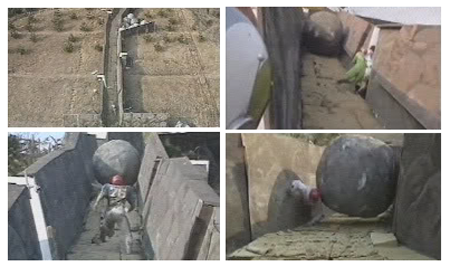
Takeshi's Castle Philippines Avalanche Challenge Retro Pilipinas

In the Philippines, Takeshi's Castle was first shown on the Intercontinental Broadcasting Corporation TV network in October 1990 as a Tagalog-dubbed show. Later episodes contained interludes shot on a studio with actors Anjo Yllana as Takeshi and Smokey Manoloto as "Iwakura" providing the commentary with a gravelly Japanese accent, which was later dropped in favor of their natural voices. The Filipino production crew also developed on the relationship of the commentators, with Iwakura often trying to trick Takeshi on several occasions. The show was later re-run with with new commentators like in Takeshi's Castle 2006 QTV rerun featuring new characters giving commentary. QTV's Takeshi's Castle included fictional characters like Shogun Shintaro "Taru" Gokoyami (Joey de Leon) who is Takeshi's right hand man and sumo wrestler Kakawate Takehome (Ryan Yllana - brother of the original Filipino version of Takeshi's Castle, Anjo Yllana), the leader of the Takeshi Gundan.

Best of Takeshi's Castle
Takeshi's Castle Gameplay Series


As a kid growing up in the 90s I can still remember how the whole family was entertained by the localized version of Takeshi's Castle. Thanks to the power of the internet we can repeatedly go down memory lane and re-watch segments of the popular classic game show. Almost every challenges are hilarious in their own right. Avalanche throws the contestants in a big challenging climb where they should evade incoming boulders through a number of "crevices" or cracks on the side of this foamy slope. There was also the Devil's Maze which was also known with a few names (internationally) like the Square Maze or Honeycomb Maze where the participants need to pick the right door and to stay up their feet to evade the demons out to oust them from play. There is also the Bridge Ball which requires great balance and wits to overcome. Evade the rubber canon balls blasted at you while you make your way on a narrow wooden bridge. Then there is the very nauseous Flying Mushroom. The Final Fall before the Final Showdown is a game of chances to pick three right holes leading to the final showdown challenge with the risk of entering the wrong hole leading to a disqualification from the game. Then there's the Final Showdown.

Takeshi's Castle Final Fall

I've always wondered if how did the show managed complaints from its participants or to whether they got sued or something for various physical injuries the participants received from the show, but I guess it was part of the contract the participants signed if there were any. Takeshi's Castle is still up to this day one of the best and hilarious game show where shows like Wipe Out draw inspirations from. How about you guys, what's your most memorable challenge or skit from the Philippine Takeshi's Castle? Share your thoughts about Takeshi's Castle in the comments section below:
Read More

Samurai X | Rurouni Kenshin | 90s Studio 23 Anime

Rurouni_Kenshin or more popularly known here in the Philippines as Samurai X was first an English dubbed Japanese animated series that first aired in Studio 23 at around the late 90s (October 18, 1998). Samurai X a.k.a. Rurouni Kenshin originally Rurouni Kenshin: Meiji Swordsman Romantic Story (Ruroni Kenshin Meiji Kenkaku Romantan) like many other anime series was first a popular manga series before its animated television series adaptation. Rurouni Kenshin was written by Kikuhide Tani and illustrated by Yoshihiro Kuroiwa released by Shueisha publication and Monthly Shōnen Jump from April 11, 1994 – November 4, 1999. The manga was later adapted into a ninety five episode anime television series that ran from January 10, 1996 – September 8, 1998 in Studio Gallop for episodes 1-66 and in Studio Deen for episodes 66 onwards in Japan. Let's take the road down memory lane and remember at this once brutal Battousai: The Slasher (Hitokiri Battōsai) who later became the beloved warrior of peace Kenshin Himura.

Samurai X Rurouni Kenshin Retro Pilipinas Feature 90s Anime Series in Studio 23 and ABS-CBN

Samurai X - The Story
Rurouni Kenshin Series Plot

Samurai X (Rurouni Kenshin) tells the story of a wanderer named Himura Kenshin, formerly known as the assassin "Hitokiri Battosai" who after participating in the Bakumatsu war walked away. Kenshin later wanders the countryside of Japan offering protection and aid to those in need as atonement for the murders he once committed as an assassin. His travels lead him to Tokyo in the 11th year of the Meiji era, where he befriends Kamiya Kaoru, a female Kendo master; Sagara Sanosuke, a brawler and a former Sekihō Army member; Takani Megumi, a doctor; and Yahiko Myojin (Yoshi Myojin in English dubbed Samurai X). Together they fight off various enemies surfacing from their inescapable dark past.

Samurai X Rurouni Kenshin Kenshin Himura, Kamiya Kaoru, Sagara Sanosuke, Yoshi Myojin 90s Japanese Anime Series in Studio 23 and ABS-CBN

Some of the Rurouni Kenshin's (Samurai X) most notable villains include the group of Oniwanbanshou Shinobi(s), Shinomori Aoshi, Saito Hajime, and Shishio Makoto.

Samurai X Opening Theme
Rurouni Kenshin Series Intro


"Sobakasu" (Freckles)
Music by Judy & Mary

Rurouni Kenshin's Hitokiri Battosai The Slasher Kenshin Himura

Daikirai datta sobakasu wo chotto
Hitonade shite tame iki wo hitotsu
Hebii kyuu no koi wa migoto ni
Kakuzatou to issho ni toketa
Mae yori mo motto yaseta mune ni chotto
"Chiku" tto sasaru toge ga itai
Hoshiuranai mo ate ni naranai wa
Motto tooku made
Issho ni yuketara nee
Ureshikute sore dake de

Omoide wa itsumo kirei dakedo
Sore dake ja onaka ga suku wa
Hontou wa setsunai yoru na no ni
Doushite kashira?
Ano hito no egao mo omoidasenai no

Kowashite naoshite
Wakatteru no ni
Sore ga atashi no seikaku dakara
Modokashii kimochi de
Ayafuya na mama de
Soredemo ii koi wo shite kita
Omoikiri aketa
Hidari mimi no piasu ni wa nee
Waraenai episoodo

Sobakasu no kazu wo kazoete miru
Yogoreta nuigurumi daite
Mune wo sasu toge wa kienai kedo
Kaeruchan mo usagichan mo
Waratte kureru no


Omoide wa itsumo kirei dakedo
Sore dake ja onaka ga suku no
Hontou wa setsunai yoru na no ni
Doushite kashira?
Ano hito no namida mo omoidasenai no
Omoidasenai no
Dou... La La La La La La
Doushite na no?

Samurai X Closing Theme (English)
Rurouni Kenshin Series Outro


"Tactics"
Music by The Yellow Monkey

Well, what to say about Samurai X? As a kid, I was one of those kids who were kinda left off with the discussion of this series. Our television back then was that classic TV with a tuner knob which has limited television reception. Ibelieved that it was only up to TV station IBC-13 that our tv set can receive, so that was a bummer. Later in the early 2000, we upgraded our television set where I finally saw the re-run of the Samurai X in Studio 23 which was still dubbed in English.

Samurai X Rurouni Kenshin in the Philippines 90s animated series in Studio 23 and ABS-CBN

Samurai X had a rocking and memorable opening and closing themes. Besides Sobakasu, a personal favorite of mine is Rurouni Kenshin's sixth closing theme entitled "1/3 no Junjo na Kanjou" (1/3 True Feelings) by Siam Shade. Want to know why? I'll let you hear it for yourself and you be the judge:


Let's throw n the full song for Siam's 1/3 no Junjou na Kanjou in the process:


Samurai X Rurouni Kenshin Notable Villains Shinomori Aoshi, Saito Hajime, and Shishio Makoto


Besides the rocking theme, Rurouni Kenshin is considered to be one of our generation's greatest anime series for of how it build on its characters and great storyline. For me The most notable and diabolical villain of the Japanese samurai series was Shishio Makoto who stood by his twisted philosophy that only the strong will live and the weak shall die. Well, the series would not be that successful if we do not have a rocking protagonist. A seemingly happy nomad with a dark and brutal past. Well, it can be considered pretty generic when compared to today's standards, but hey it works!

Samurai X Rurouni Kenshin Anime Series that Aired in the Philippines in 90s in Studio 23 and ABS-CBN Retro Anime

How about you guys, what's your fondest memory, merchandise, character, episode, OVA, or movie of Rurouni Kenshin a.k.a Samurai X. Share your thoughts about Rurouni Kenshin in the comments section below:
Read More