Showing posts with label Intercontinental Broadcasting Corporation. Show all posts

Super Boink | Tonde Burin | IBC-13 90s English-Dubbed Anime

Super Boink was an English-dubbed anime which aired in the Intercontinental Broadcasting Company (IBC-13) primetime block during the late 90s in the Philippines. Super Boink was originally titled Tonde Burin that originally run from September 3, 1994 to August 26, 1995 on MBS by Nippon Animation studio with a total of 51 episodes. Tonde Burin was first a shojo manga written by Taeko Ikeda and published by Shogakukan in manga magazine Ciao that originally run from October 1994 to September 1995 with a total of 3 volumes. Let's go down memory lane and remember this magical girl parody simply titled super Boink.

Super Boink Tonde Burin 90s English-Dubbed Anime Retro Pilipinas Feature

Super Boink - The Story
About Tonde Burin

Karin Kokubu (Coleen in the Philippine-dubbed version) is late for school one day when she comes across an apparently injured yellow pig. It turns out the pig wasn't injured but just hungry, and he gets back his health when he eats Karin's apple. When Karin gets to her school called St. Ringo School, she discovers that the pig has stowed away in her backpack which causes her more trouble.

Super Boink 90s IBC 13 Anime Tonde Burin Karin Kokubu is Coleen in the Philippine version of Super Pig

Later, she meets the pig again and finds out he can talk and fly. The pig gives her a "Dream Tonpact" which she opens and a pig snout appears from it and attaches itself to her nose! She finds the pig again who explains that he is actually Prince Tonrariano the 3rd (Iggy Pig) of the apple-shaped planet Buringo (Oinko). He tells her how she can transform: by saying "Ba Bi Bu Be Burin!" she transforms into a superpowered pink piglet called Tonde Burin (Super Pig in the US, Super Boink in the Philippines). This is not something Karin is happy about at all as she'd rather transform into a magical girl heroine like her idol the henshin hero tokusatsu character "Cutey Chao" (who is possibly a reference to Cutie Honey). Tonrariāno (who she calls Ton-chan) tells her if she can collect 108 pearls by doing good deeds as Burin, she can do so. The pearl collection operates on karma meaning if Burin abuses her powers, she will lose pearls.

Whenever someone is in danger, Karin would become Tonde Burin to thwart the crisis and even use her new abilities to help other people in need.

Source: Wikipedia


Super Boink Opening Theme
Tonde Burin Series Intro

Super Boink Opening Theme

Super Boink IntroLove is Uncool (愛はカッコわるい Ai wa Kakko Warui)Lyricist: Manami Tōno Composer: Tsugumi Kataoka Arranger: Tsugumi Kataoka Singers: ParquetsCheck out our blog about Super Boink for more information and discussion:http://retropilipinas.blogspot.com/2015/11/super-boink-tonde-burin-ibc-13-90s.html- - - - -Retro Pilipinas does not claim any ownership of the classic television shows archived and featured in the blog. All the shows featured here are mostly copyrighted materials which all respectfully belonged to their rightful owners, personnel, company or organization. The blog is not affiliated with any of the company that rightfully owns the source material. The blog only aims to educate and feed the nostalgia of the Filipino netizens and those of other nationalities that are looking for the past shows that brings nostalgia.

Posted by Retro Pilipinas on Friday, November 20, 2015

Love is Uncool (愛はカッコわるい Ai wa Kakko Warui)
Lyricist: Manami Tōno
Composer: Tsugumi Kataoka
Arranger: Tsugumi Kataoka
Singers: Parquets

Super Boink Closing Theme
Tonde Burin Series Outro

Super Boink Closing Theme

Super Boink OutroBurin à la mode (ぶーりん あ·ら·もーど Būrin a ra mōdo)Lyricist: Manami Tōno Composer: Tsugumi Kataoka Arranger: Tsugumi Kataoka Singers: ParquetsCheck out our blog about Super Boink for more information and discussion:http://retropilipinas.blogspot.com/2015/11/super-boink-tonde-burin-ibc-13-90s.html- - - - -Retro Pilipinas does not claim any ownership of the classic television shows archived and featured in the blog. All the shows featured here are mostly copyrighted materials which all respectfully belonged to their rightful owners, personnel, company or organization. The blog is not affiliated with any of the company that rightfully owns the source material. The blog only aims to educate and feed the nostalgia of the Filipino netizens and those of other nationalities that are looking for the past shows that brings nostalgia.

Posted by Retro Pilipinas on Friday, November 20, 2015

Burin à la mode (ぶーりん あ·ら·もーど Būrin a ra mōdo)
Lyricist: Manami Tōno
Composer: Tsugumi Kataoka
Arranger: Tsugumi Kataoka
Singers: Parquets
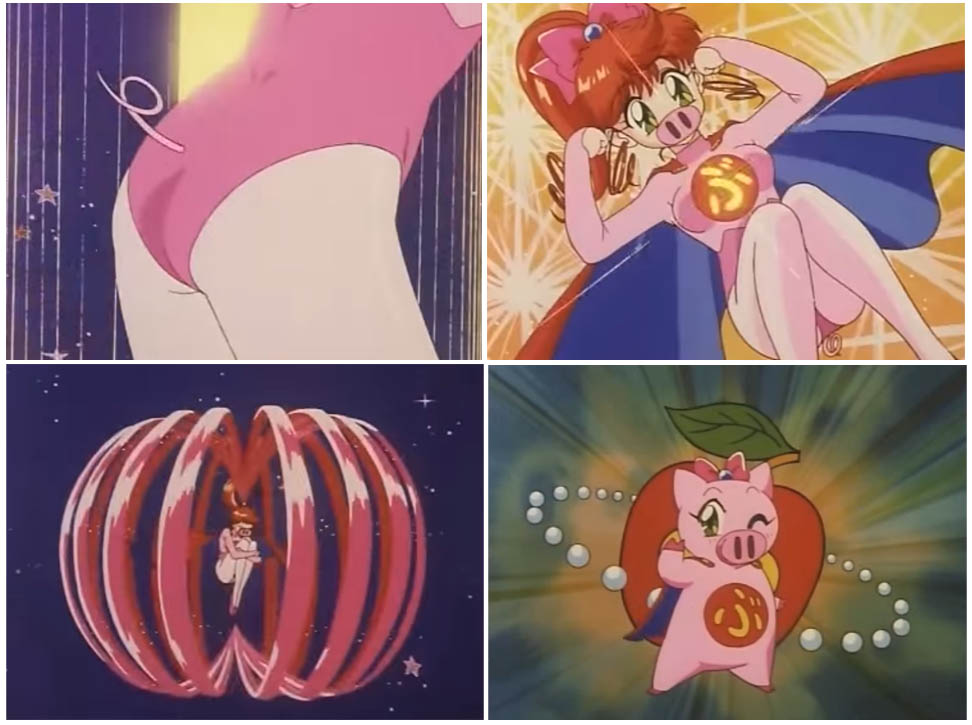


Super Boink Tonde Burin Magical Girl Transformation into a super Pig Japanese anime Magical Girl Parody 90s

What is there to say about Super Boink? Well, it sure was a fun series; that is for certain. This made me wonder and just humor me here. What if you are given the chance to be a powerful super hero but you are in a form that you least desired, like let's say a human fecal matter which doesn't only look bad, but smell bad as well; would you accept it? Well in Super Boink's case that is the case. If my memory serves me correct this was shown around the time that Yaiba was also being shown or maybe not; feel free to correct me in the comments section. What I do remember is Coleen's magical transformation as the beloved flabby heroine of justice Super Boink which you can see here:


I still remember the initially reluctant Coleen when she first became Super Boink and how she later learned to come to terms to it. Basically that she was given the incentive or a promise that she will become a beautiful Magical Girl (example Sailor Moon) once she have collected enough pearls as Super Boink or at least that is how I remembered it. I would probably revisit the series just like what I did with Hell Teacher Nube. Hopefully all episodes are available online for some nostalgic binge watching and anime marathon. I also remember doing sketches of Super Boink since it is not that challenging to do a sketch of heras a 90s kid; the same as what I did with Sunny Pig which we'll soon also revisit here at Retro Pilipinas.

Super Boink 90s IBC-13 English-Dubbed nostalgic Anime  title card

How about you guys? What are your fondest memories of this magical girl parody? Do you have any particular favorite like episode(s), characters, and merchandise related to the show? Share your thoughts and experiences about Super Boink in the comments section below:
Read More

Takeshi's Castle | An IBC 90s Filipino-Dubbed Japanese Game Show Retrospective

Takeshi's Castle was a syndicated game show originally from Japan which was Tagalized (dubbed in Filipino) hosted by Anjo Yllana as Takeshi and Smokey Manoloto as "Iwakura" providing the commentary with a gravelly Japanese accent. Takeshi's Castle or Showdown! Takeshi Castle originally Japanese game show that aired between 1986 and 1989 on the Tokyo Broadcasting System which featured Japanese actor Takeshi Kitano a.k.a. Beat Takeshi as a count who owns a castle and sets up difficult challenges for players to get to him. Let's check out this comic and phenomenal game show that took the world by storm. Let us go down memory lane with Takeshi Castle Philippines.

Takeshi's Castle 90s Filipino Dubbed Japanese Game Show Retro Pilipinas Feature

Takeshi's Castle - The Show
About Takeshi's Castlet

Takeshi's Castle is a comic game show which involved between 100 and 142 contestants whom General Tani "forced" into a series of batch physical challenges, eliminating many who fail to meet its requirements. Each show finished with a "Final Showdown" where Count Takeshi will face the remaining contestants. In early episodes the finalists (contestants) would storm the castle itself and engage in a short-range water gun assault. Later episodes introduced carts with paper rings, and eventually lasers and light-sensitive targets. If the contestant's gun penetrated the paper ring or hit the sensor on Takeshi's cart, against such weapons as a large water gun and a laser-armed plane, Takeshi's cart was deactivated, the castle was "taken" and the game "won". The player who stopped Takeshi won one million yen which at the time, amounted roughly to 8,000 US dollars. However, because of the seemingly unbeatable challenges issued by the show, there were only a handful of nine winners during the show's run.
The series featured extensive landscaping of a fixed campus at TBS-owned Midoriyama The final regular episode aired on April 14, 1989 followed by several one off specials.

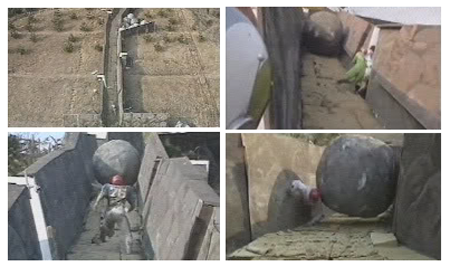
Takeshi's Castle Philippines Avalanche Challenge Retro Pilipinas

In the Philippines, Takeshi's Castle was first shown on the Intercontinental Broadcasting Corporation TV network in October 1990 as a Tagalog-dubbed show. Later episodes contained interludes shot on a studio with actors Anjo Yllana as Takeshi and Smokey Manoloto as "Iwakura" providing the commentary with a gravelly Japanese accent, which was later dropped in favor of their natural voices. The Filipino production crew also developed on the relationship of the commentators, with Iwakura often trying to trick Takeshi on several occasions. The show was later re-run with with new commentators like in Takeshi's Castle 2006 QTV rerun featuring new characters giving commentary. QTV's Takeshi's Castle included fictional characters like Shogun Shintaro "Taru" Gokoyami (Joey de Leon) who is Takeshi's right hand man and sumo wrestler Kakawate Takehome (Ryan Yllana - brother of the original Filipino version of Takeshi's Castle, Anjo Yllana), the leader of the Takeshi Gundan.

Best of Takeshi's Castle
Takeshi's Castle Gameplay Series


As a kid growing up in the 90s I can still remember how the whole family was entertained by the localized version of Takeshi's Castle. Thanks to the power of the internet we can repeatedly go down memory lane and re-watch segments of the popular classic game show. Almost every challenges are hilarious in their own right. Avalanche throws the contestants in a big challenging climb where they should evade incoming boulders through a number of "crevices" or cracks on the side of this foamy slope. There was also the Devil's Maze which was also known with a few names (internationally) like the Square Maze or Honeycomb Maze where the participants need to pick the right door and to stay up their feet to evade the demons out to oust them from play. There is also the Bridge Ball which requires great balance and wits to overcome. Evade the rubber canon balls blasted at you while you make your way on a narrow wooden bridge. Then there is the very nauseous Flying Mushroom. The Final Fall before the Final Showdown is a game of chances to pick three right holes leading to the final showdown challenge with the risk of entering the wrong hole leading to a disqualification from the game. Then there's the Final Showdown.

Takeshi's Castle Final Fall

I've always wondered if how did the show managed complaints from its participants or to whether they got sued or something for various physical injuries the participants received from the show, but I guess it was part of the contract the participants signed if there were any. Takeshi's Castle is still up to this day one of the best and hilarious game show where shows like Wipe Out draw inspirations from. How about you guys, what's your most memorable challenge or skit from the Philippine Takeshi's Castle? Share your thoughts about Takeshi's Castle in the comments section below:
Read More

Mobile Cop Jiban | Kidou Keiji Jiban | IBC 90s Tokustatsu

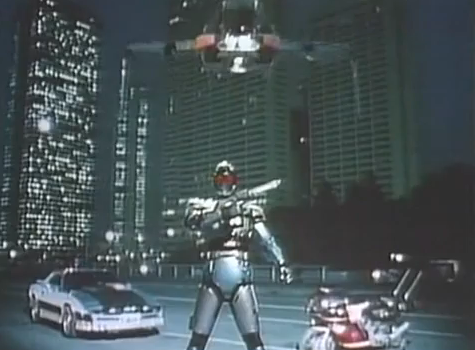
Mobile Cop Jiban or simply Jiban was a Filipino dubbed super hero kids show that aired in Intercontinental Broadcasting Corporation or IBC around the 90s. Jiban had an original title of The Mobile Cop Jiban (機動刑事ジバン Kidō Keiji Jiban), a Japanese tokusatsu television series and the eighth entry in the Metal. Jiban was produced by Toei which originally aired on TV Asahi from January 29, 1989 to January 28, 1990 with 52 episodes and one feature movie. According to Jiban's creator Keita Amemiya, the premise for the series was almost entirely based on American character Robocop, as Jiban is often considered as RoboCop's Japanese counterpart. The opening catchphrase of the series is "This is the drama of a girl's and a young man's hearts which love people and protect justice." ("Kore wa Hito o Aishi, Seigi o Mamoru Wakamono to Shōjo no Kokoro no Dorama de aru."). Let's go down memory lane with The Mobile Cop Jiban.

Mobile Cop Jiban Retro Pilipinas Feature 90s Tokusatsu IBC-13

Mobile Cop Jiban - The Story
Mobile Cop Jiban Series Plot

Naoto Tamura, a new detective in Central City, was killed by a Bionoid Monster in the line of duty. Doctor Kenzou Igarashi, a man whose experiments had been responsible for the Biolon syndicate's existence, brought the man back to life as a cyborg detective, Jiban. Mayumi Igarashi is the only person who knows the identity of Jiban and calls Jiban/Naoto her "big brother". Harry Boy on the other hand is Jiban's
robotic assistant along with Mayumi in their Secret Base. Jiban communicated with them via the Jiban's Badge.

Mobile Cop Jiban Retro Pilipinas Feature Kidou Keiji Jiban Naoto Tamura and Mayumi Igarashi IBC-13 Philippine Television Airing

Jiban gos against the Criminal Syndicate Bioron lead by Doctor Giba. The Bioron intends to take over Japan by means of narrow and more specified attacks rather than a more large-scale destruction. The use biochemistry as a means of their diabolical goals.

Doctor Giba Leader of the Criminal Syndicate Bioron Kidou Keiji Jiban The Mobile Cop Jiban Villain

Following the theme of a police theme, Jiban follows (or is programmed to abide) a certain set of rules. He literally cite out this code reminiscent of the Miranda Warning (Miranda Rights) when Jiban corners the villain of the episode.

Reource


Mobile Cop Jiban Opening Theme
Mobile Cop Jiban Series Intro


"Kidō Keiji Jiban"

Lyrics: Keisuke Yamakawa
Composition: Kisaburō Suzuki
Arrangement: Kazuya Izumi
Artist: Akira Kushida

Mobile Cop Jiban Closing Theme
Mobile Cop Jiban Series Outro


"Ashita Yohō wa Itsumo Hare" - "Tomorrow's Forecast is Always Sunny"

Lyrics: Keisuke Yamakawa
Composition: Kisaburō Suzuki
Arrangement: Kazuya Izumi
Artist: Akira Kushida

Mobile Cop Jiban Kidou Keiji Jiban 8th Metal Hero Aired Internationally Retro Pilipinas

Jiban is best remembered as that primetime metal hero series reminiscent of Robocop that aired after Ghost Fighter (Yu Yu Hakusho) back in IBC-13 during the 90s. If my memory served me right, Jiban was aired at a time when they stopped airing Masked Rider Black, so we 90s kid who grew fund watching the exploits of the "Black Son" were kept hanging. Jiban somehow addressed the longing... but not really quite to teh level of Masked Rider Black. I think the airing of Jiban was also cancelled in IBC-13. Correct me if I'm wrong fellow Filipinos, but I missed out the opportunity to watch this series up to the very end. It might be because of my poor memory or it was really cancelled. And during those times, when a show is cancelled, there is really no immediate way of us getting the whole series that time. Like any other tokusatsu series, Jiban had a very memorable opening and closing them which up to this day still keeps playing in my head from time to time. I remember back in grade school that we imitate Jiban by having our very own Jiban Badge and roleplaying that we are kicking each other butts just like in the show (Note: there were no physical harm applied to any of the parties involved :D)

Mobile Cop Jiban Tokusatsu Title Aired in the Philippines During the 90s in Intercontinental Broadcasting Company

How about you guys, do you have any memorable moments, experiences, or merchandise from the nostalgic show? Share your thoughts about Kidou Keiji Jiban - The Mobile Cop Jiban in the comments section below:
Read More

Shaider | Space Sheriff Shaider | ABS-CBN 80s, IBC 90s

Shaider was a Filipino dubbed super hero kids show that first aired in ABS-CBN from 1988 to 1991 and later at Intercontinental Broadcasting Corporation or IBC from 1992 to 1994 which was the very first Japanese Tokusatsu series dubbed in Tagalog (Filipino). Shaider had an original title of Space Sheriff Shaider (宇宙刑事シャイダー Uchū Keiji Shaidā), a Japanese tokusatsu television series and the third part of the Metal Hero Series (the last of the Space Sheriff Trilogy) which originally aired on TV Asahi from March 2, 1984 to March 1, 1985. Being the first ever Taalized tokusatsu series, Shaider holds a very special place in Philippine television. There had been reruns of the show but the series was never finished due to its contsant cancellation by the television stations that hosted it. It suffered the same fate as the Masked Rider Black series run.

Space Sheriff Shaider 80's Tagalized Tokusatsu Metal Hero Series in the Philippines Retro Pilipinas Feature


Space Sheriff Shaider - The Story
Shaider Plot

In college studying archaeology, Dai Sawamura, known in the Philippines as Alexis deciphered the figures on the Nazca Plains in Peru. Impressed by this feat, the Galactic Union Police recruited him and trained him to be Earth's third Space Sheriff, after which he was given the code name 'Shaider' in memory of an ancient warrior who defeated the villain Emperor Kubilai and brought down the Fuuma 12,000 years ago. When the Fuuma returns, Alexis is deputized as he returns to Earth to battle the Fuuma with the help of Annie, Alexis' classmate, whose homeworld of Mount was annihilated by Fuuma.

Space Sheriff Shaider Villains  Fushigi World Fuuma


Commander Hessler aka Drigo in Shaider


Girl's Army aka Amasona in Shaider


The Fuuma aspires to ultimately conquer the universe through psychological attacks on many planets using fushigi beasts hatched from pearls which are given birth to by the Great Emperor Kubilai (Fuuma-Lear) ultimately destroying worlds. Together with other followers of Fushigi World Fuuma religion followers like Priest Poe (Babaylang Ida), Kubilai's 15,000 year old transvestite grandson who serves as advisor, high priest and strategist known for his "Phantom Showtime" or most popularly known as the Time-Space Warp... the "Time Space Warp Ngayon Din!" become an iconic pop culture line; Commander Hessler (Drigo), and the Girls' Army (Amasona).

Priest Poe aka Babaylang Ida in Shaider


Space Sheriff Shaider Opening Theme
Shaider Intro


"Uchū Keiji Shaider"
Lyrics by Keisuke Yamakawa.
Composition and Arrangement by Michiaki Watanabe.
Artist: Akira Kushida


Space Sheriff Shaider and Vavilos (Babilos)


Space Sheriff Shaider Closing Theme
Shaider Outro


"Hello! Shaider"
Lyrics by Keisuke Yamakawa.
Composition and Arrangement by Michiaki Watanabe.
Artist: Akira Kushida


I watched the first rerun of Shaider around the 90s and like everyone else I was hooked with this weekly superhero show just like Masked Rider Black. It featured interesting characters especially Annie and her yellow and white attire (winks), Ida known for her time- space warps and odd monotone voice, catchy opening and closing theme songs (seen above), and who can not forget that psychedelic, mysterious, creepy and kick-ass all at the same time theme of the "Fushigi Song" that plays everytime Lear/Kubilai gives birth to a Fushigi Monster:


Looking back at Shaider, the show might look silly. Imagine an ancient alien religious sect who wants to conquer the universe through psychological attacks? But Shaider will forever be part of Filipino geek pop culture history.

Shaider in the Philippines Annie and Alexis


What about you guys? Share your fondest memories of the Filipinized Metal Hero series? Do you have any favorite fushigi monsters, episodes, or memorabilias? Share your thoughts and experiences on Space Sheriff Shaider on the comments section below:
Read More

Masked Rider Black | Kamen Rider Black | An IBC - 90s Tokusatsu Series Retrospective

Masked Rider Black was a Filipino dubbed super hero kids show that aired in Intercontinental Broadcasting Corporation or IBC back in the 90s. Masked Rider Black has an original title of Kamen Rider Black (仮面ライダーBLACK Kamen Raidā Burakku), a Japanese tokusatsu television series and the 11th Kamen Rider series title which originally aired on Mainichi Broadcasting System and the Tokyo Broadcasting System from October 4, 1987 to October 9, 1988. Besides its popularity on its 80's run in Japan, it is highly probable that IBC picked this series up because it is the only Kamen Rider series in that time (Showa Era)that didn't feature its predecessors in any of the series 51 episodes. Masked Rider Black was a perfect Tagalized super hero series from Japan that appealed to both children and adults alike. The show's weekly super hero versus monster formula appealed to kids, while the shows characters brooding background and character progression appealed more to the adult market during its Philippine run.

Masked Rider Black 90s Filipino Dubbed  Japanese Tokusatsu IBC Retro Pilipinas Feature


Masked Rider Black - The Story
Kamen Rider Black Plot

Every 50,000 years, the life of a Century King who ruled the entire universe will come to an end. Before that happens, a new Century King must be decided upon. The job to do so lies in the hands of Gorgom, a dark and evil organization.

IBC 13 Masked Rider Black Robert Akizuki (Minami Kotaro) Retro Pilipinas


19 years ago, on a day of a solar eclipse, Minami Kotaro (known in the Philippines as Robert Akizuki) and Akizuki Nobuhiko (Stephen) were born. 3 years later after the solar eclipse, Kotaro's parents were murdered by Gorgom. The Akizuki family took Kotaro in and treated him like their own family member. Kotaro and Nobuhiko grew up together like brothers.

On their 19th birthday, Gorgom made an appearance once again and abducted Minami Kotaro and Akizuki Nobuhiko. Both of them were brought to Gorgom's Secret Lair. Little did they know that they were going to be transformed into Cyborgs for Gorgom to choose a new Century King between the 2 of them. In order to do so, Gorgom had to operate on both Kotaro and Nobuhiko to erase their memories. The present Century King gave Gorgom 2 Holy Kingstones. Both Kingstones were to be operated into Kotaro and Nobuhiko to fully changed them into Cyborgs. Since both Kotaro and Nobuhiko were born on the day of a solar eclipse, Gorgom referred to Minami Kotaro as "Black Sun" while Nobuhiko as "Shadow Moon".

Professor Akizuki, Nobuhiko's father, who also happened to be one of Gorgom's scientists, arrived at Gorgom's lair. He did not want Gorgom to erase away his children's memories of him. The operations still continued. Professor Akizuki interfered in the operations, giving the perfect opportunity for both Kotaro and Nobuhiko to escape. Kotaro managed to escape but not Nobuhiko, who suffered some injuries during the interference during the operations.

Kotaro had to escape, leaving his foster father and Nobuhiko behind. A Holy Kingstone had already been fitted into Kotaro's body.

Kamen Rider Black Gorgom Daishinkan to Daikaijin Darom, Baraom, Bishium

The entire story was about the evil Gorgom trying to get back the Kingstone from Minami Kotaro. However, Kotaro soon realized that the Kingstone in his body had special and unique powers. Using the name of Kamen Rider Black (Masked Rider Black), Kotaro (Robert) made full use of the Kingstone's powers to transform himself into a Masked Cyborg. With that power, he battled Gorgom and its Monsters and hoped that one day, he could rescue his brother, Nobuhiko. However, later in the series, Nobuhiko emerged as Shadow Moon to fight Kotaro with the survivor becoming the next Creation King.


Masked Rider Black's Battlehopper and Roadsector


Masked Rider Black Opening Theme
Kamen Rider Black Intro


"Kamen Rider Black"

Lyrics by Yoko Aki.
Composition by Ryudo Uzaki.
Arrangement by Eiji Kawamura.
Artist: Tetsuo Kurata


Masked Rider Black Tagalized and Dubbed Tokusatsu Series During the 90s in the Philippines Intercontinental Broadcasting Company


Masked Rider Black Closing Theme
Kamen Rider Black Outro


"Long Long Ago, 20th Century"
Lyrics by Yoko Aki.
Composition by Ryudo Uzaki.
Arrangement by Eiji Kawamura.
Artist: Norio Sakai


Masked Rider Black was and still is my favorite Japanese tokusatsu series to date. A super hero series that took all audiences seriously engaging both children and adults alike. I have so many memorable episodes of this series: Robert mastering his improved rider punch and kick versus the Lobster Mutant, The transformation sequence of the Gorgom High Priests into Great Monster Leader; and the part when Masked Rider dies and a Gorgom Whale Mutant took care of him until his miraculous revival. This is one of those 90s show that complete our Sundays. Adding up to Masked Rider Black's charm is both its catchy opening theme and melodramatic closing theme. My biggest gripe with IBC-13 back in the days was the frequent cutting and rewinding of the series on the part where Shadow Moon confronts Robert Akizuki. Fastforward to many years (about two years ago), I managed to watch the series again but this time from beginning up to to the very end. I was finally able to witness the show's epic conclusion.

Kamen Rider Black Kujira kaijin Masked Rider Black Kujira Mutant


What about you guys? What are your fondest memories of Masked Rider Black's IBC-13 run? Share your thoughts on the comments section below:
Masked Rider Black Philippine Run on IBC 13 the 90s
Read More

MachineMan | Seiun Kamen Machineman | IBC - 90s

MachineMan was a Philippine dubbed super hero kids show aired in Intercontinental Broadcasting Company or IBC back in the early 90s in the Philippines. Originally from Japan, Seiun Kamen Machineman (星雲仮面マシンマン Seiun Kamen Mashinman) or Nebula Mask Machineman was a tokusatsu series created by Shotaro Ishinomori and produced by Toei which ran from January 13 until September 28, 1984. The super hero kids show follows the story of Ken Takase, a college student from the Ivy planet to study the behavior of the Earthlings but later take the guise of Earth's mighty protector MachineMan. Each episode follows the adventures of MachineMan with his robotic sidekick BallBoy known in the Philippines as Buknoy the Fighting Ball against the evil Tentacle Organization led by Professor K.

MachineMan IBC Philippine Dubbed Television Series Retro Pilipinas


MachineMan - The Story
Seiun Kamen Machineman Plot


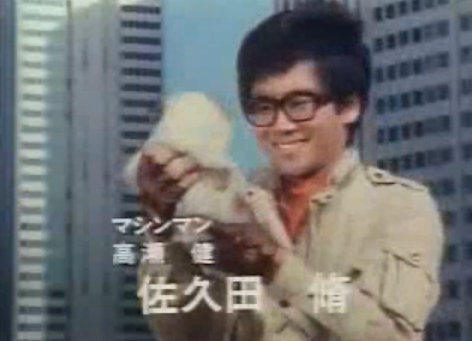
Seiun Kamen Machineman Osamu Sakuta as Ken Takase, Machineman


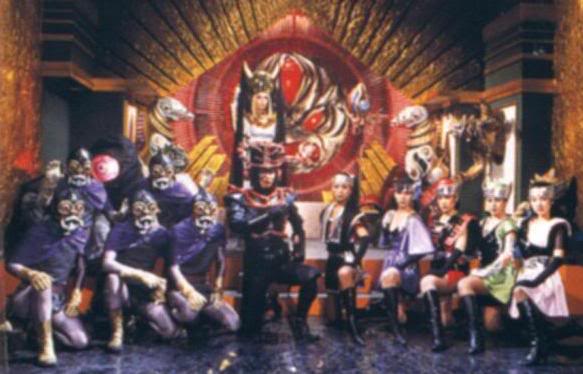
Travelling in the ship Space Colony, Nick, with the help of tiny robot called Ball Boy (which looks exactly like a baseball) comes to Earth to spend a week studying the behaviour of human beings for his doctorate. Under the human name of Ken Takase, he saves a photographer, Maki Hayama, from an accident, and ends up developing a relationship with her throughout the series. Maki was taking photographs for a report on a building which had been mysteriously demolished. Later, she and Ken find out those responsible: the Tentacle Organization, a gang led by the unscrupulous Professor K, a man who hates children and just wants to get rid of them all, not caring about World domination. Due to this, Nick decides to extend his stay on Earth and use his advanced technology and superior powers to protect his beloved Maki, as well as the children of Earth, under the guise of Machineman. His main weapon, apparently an ordinary sword, is actually a powerful weapon that, when energized, is able to wipe out the deadliest of Professor K's cyborgs. Aside from the sword and its transparent layer, Machineman counts also on the quick Dolphin car that could be changed into a species of spurt. Some episodes later, Machineman succeeds in dismantling Tentacle; however, after that, Professor K flees to Spain and his niece, Lady M, appears. With her aide TonChinkan, they establish a new gang, called "The Octopus". Like her uncle, she too has an allergic reaction to children - so much so that, whenever she is next to one, her nose goes red. In the beginning, she calls up various thieves and legendary criminals from around the world, but later robotic drones are assembled to combat Machineman. By the end of the series, the missing Professor K returns, bringing with him the biggest threat the hero had ever faced: Golden Monsu, a fortified version of Tetsujin Monsu.


MachineMan Opening Theme
Seiun Kamen Machineman Intro


Seiun Kamen Machineman BallBoy Buknoy the Fighting Ball


Looking back at MachineMan now puts a big grin on my face. The show has an absurd set of villains who just wanted to rid the world of all children (facepalm), what strange diabolical plot right? I guess it was a worthy enough cause for a "college student" from another planet to stay on Earth and save the children right? I still remember imitating Machineman by putting cardboards on my head and wearing a spare plastic book cover lying around the house as my MachineMan cape. It was really a show for kids, for only kids can somehow stomach that premise. Its biggest selling point would probably be the effects which was pretty "advanced" during that time, not to mention almost every kid following the series either had a baseball that they called "Buknoy" (BallBoy) in one or more times asthey brought it to school, or drew a pair of eyes on various sports ball (from Tennis balls to even Basketballs) imitating Buknoy. MachineMan was one of the show I personally grew up with, sadly I have little recollections of the show's episodes now. Although the opening theme and what he looks like is stuck on my head.


Seiun Kamen Machineman Kiyomi Tsukada as Maki Hayama


MachineMan IBC 13 Tagalized Tokusatsu Machineman and Buknoy Retro Pilipinas


What about you guys? what are your fondest memories on MachineMan? Share your thoughts in the comments section below:

Seiun Kamen Machineman 1984 Japanese tokusatsu series dubbed in Filipino in IBC 13 90s
Read More

Saber Rider and the Star Sheriffs | IBC - 80s , RPN - 90s

Saber Rider and the Star Sheriffs was another Japanese animated series (anime) entitled Star Musketeer Bismarck (星銃士ビスマルク Seijūshi Bisumaruku) adapted and dubbed by World Events Productions for its US audience. The cartoon show was heavily censored that time the once was conservative USA, but still made the series one of the most popular cult classics to date. Saber Rider and the Star Sheriffs was first picked up by IBC (Intercontinental Broadcasting Network) here in the Philippines.

Saber Rider and the Star Sheriffs Philippines IBC 13 Run 80s 90s


Saber Rider and the Star Sheriffs
Americanized Show's Premise

In the distant future humans have spread beyond Earth and colonized planets across the universe, creating a New Frontier of man. In order to protect these new settlers and maintain laws and regulations in the New Frontier, Earth's Cavalry Command was created. Cavalry Command is in essence a military organization, maintaining an army and fleet of ships to protect the New Frontier. Within Cavalry Command is a unit of special operatives known as Star Sheriffs that functioned as field agents, investigating crimes and plots against the security of the New Frontier.

Saber Rider and the Star Sheriffs Americanized Japanese Anime 80s


The main foe of Cavalry Command and the Star Sheriffs is a race of non-human creatures known as Vapor Beings (or Outriders) that jumped into our dimension in order to conquer it. They attack the settlers, destroy settlements, and kidnap humans in order to mine various metals or crystals from the soil.

Outriders are superior to humans in battle technology, possessing a legion of gigantic robots with uncanny firepower against which the space-going fleets of Cavalry Command are no match. In order to have a chance against such supremacy, Cavalry Command develops a prototype ship known as the "Ramrod Equalizer Unit" (or just Ramrod) that has the ability to turn from a spaceship into a powerful robot that can fight the Outriders on equal terms.

Saber Rider and the Star Sheriffs 80s Cartoon Series


Saber Rider occasionally referred to by the nickname of 'Top Sword' in the American version) is the leader of the group and often rides a robotic horse named Steed. Fireball was once a race car driver and the youngest champion of all time. He drives a race car he calls the Red Fury Racer/Turbo, which is armed with an extensive arsenal of weapons. He has a somewhat quick temper and at one time boasted of his perfect memory. Colt is introduced in the series as a bounty hunter on the trail of Vanquo, an Outrider spy. He holds an almost infallible accuracy with firearms and serves as the gunner on board Ramrod, controlling the six-iron while Fireball controls the chest cannons. For personal transportation and solo battles he uses a blue and white one-man spaceship he calls the Bronco Buster. April Eagle is the daughter of Commander Eagle, and the engineer who designed and was in charge of Project Ramrod. She was trained at Cavalry Command under General Whitehawk.

Saber Rider and the Star Sheriffs Opening Theme
Saber Rider and the Star Sheriffs Intro


"Saber Rider"
Composed by Dale Schacker
Artist: Dale Schacker


Saber Rider and the Star Sheriffs 80s 90s Cartoon Show Kids Show Characters


Like any other Americanized cartoons, Saber Rider and the Star Sheriffs featured a catchy and memorable upbeat main theme. It is a tokusatsu series but in animation, so there are transformations and mechas. What about you guys, what's your fondest memory of the Saber Rider and the Star Sheriffs? Share your thoughts in the comments section below:
Read More

Denver, The Last Dinosaur | IBC 13 RPN-9 - 90s US Animated Show

Denver, The Last Dinosaur was a US cartoon show that aired around the 90s on IBC 13 and later on Radio Philippines Network (RPN 9). Let's take a look back at this US animated show about friendship and ecology here at Retro Pilipinas.

Denver the Last Dinosaur Retro Animation Philippines IBC 13 RPN 9


The kids animated show follows the stories of a group of multicultural California teenagers (Jeremy, Mario, Shades, Wally, and Casey with tag-along older sister, Heather) stumbling over a prehistoric egg, how they befriend and hide the secret of the existence of a friendly dinosaur named Denver that hatched from it. Each episode usually features issues on conservation, ecology, and friendship which is perfect as a kid's show, not to mention a cool dinosaur that can skateboard, understand English, play music and go back in time via a piece of the egg he hatched from.

Denver The Last Dinosaur characters Jeremy, Mario, Shades, Wally, and Casey, Heather


Denver The Last Dinosaur Opening Theme
"Denver, the Last Dinosaur" Intro


I remember watching Denver: The Last Dinosaur in the afternoon slot every weekdays in RPN-9 during the 90s. Looking back at it now it really defies logic. Well how can the last dinosaur be a bipedal with a human like way of communicating and can show his friends a vision of the prehistoric past. But still I remember mindlessly enjoying it as a child. Today it is more about taking kids seriously. Why can't they make this into a live action film, if Chipmunks, Yogi Bear, and Garfield got their break so why can't Denver? How about you guys? What are your fondest memories of this talking (mumbling) green dinosaur? Share your thoughts on Denver, The Last Dinosaur on the comments section below:
Read More

Laser Squadron Maskman | Hikari Sentai Maskman | An IBC 13's 90s Tokusatsu Series Retrospective

Laser Squadron Maskman was a Philippine dubbed super hero kids show that aired in Intercontinental Broadcasting Company or IBC (IBC 13 for the Greater Manila Area) back in 1989 all the all the way up to 1999. Originally from Japan with the title "Hikari Sentai Maskman" (光戦隊マスクマン Hikari Sentai Masukuman), this tagalized super sentai series gained the hearts of Filipino children and adults alike during the 90s which up to this day holds a great sense of nostalgia to those who grew up with the series.

Laser Squadron Maskman Retro Super Sentai Philippine Dubbed


Laser Squadron Maskman or simply Maskman follows the adventures of five teenagers mentored by Commander Sugata, a scientist and sage who excels in mental reinforcements and is a master of every martial art. After discovering an ancient underground empire that plans to conquer the surface, it is up to Sugata to teach and train five youths in the ways of the mystical "Aura Power" energy which later gave them the power to become Maskman.

Laser Squadron Maskman Retro Super Heroes IBC 13 Tagalized

Filipino children growing up from the 90s will probably remember MAskman with its Tagalized (Filipino-rendered) opening and closing theme which was performed by singer/composer Mr. Norman Caraan. Mr. Caraan was featured in a special "Maskman" episode in the July 09, 2011 Episode of Kapuso Mo, Jessica Soho.


See the Tagalized opening and closing theme for Maskman here:

Laser Squadron Maskman Filipino Dubbed Opening Theme


Maskman Tagalog Opening Theme
Performed by Norman Caraan


Laser Squadron Maskman Filipino Dubbed Closing Theme
Maskman Tagalog Ending Theme


Maskman Tagalog Closing Theme
Performed by Norman Caraan

These Tagalog version of this popular Filipino-dubbed and performed opening and closing theme are based from the original opening themes:

Laser Squadron Maskman Retro Super Heroes IBC 13 Tagalized


Hikari Sentai Maskman Opening Theme (Japanese)


"Hikari Sentai Maskman"
Performed by Hironobu Kageyama.


Hikari Sentai Maskman TV Closing Theme (Japanese)


"Ai no Soldier"
Performed by Hironobu Kageyama.


Laser Squadron Maskman Retro Super Heroes IBC 13 Tagalized


One of the most notable characters in Maskman is a particular monster named Okerampa (originally Okelamp in the Japanese Maskman) whose only purpose is to raised human-sized monsters into giants for the Maskman mechs to pummel through. Okerampa usually leaves witty remarks after he has done his sole task.

Hikari Sentai Maskman Retro Super Sentai Okelamp IBC 13

Maskman will be forever in the hearts of most 90s kid growing up with such great kids show. I personally have fond memories where we have rubber bands and mimic or emulate that from Maskman. Looking back at it now, I can say it was pretty gutsy showing the five protagonists in white bathing suit in one of the transformations scene in a particular episode which was later cut.

Maskman okerampa


What are your fundest memory watching this Filipino-dubbed super sentai series from Japan? Share your thoughts about Maskman in the comments section below:
Read More