Showing posts with label Icons. Show all posts

Teks - The Iconic Filipino Card Game for Children

Teks was a coined term for a trading card game and the actual cards themselves popular amongst children that probably has started around the late 50s. The cards used in the game which was also called teks are very small, about a quarter of the size of regular playing cards first featured cartoon storyboard clips of local films complete with characters' dialogues and action sequences. Each teks are numbered which serves as indication to know what part the printed scene is on the series of scenes taken from an actual Filipino film titles or more popular television shows. It can be said that teks (cards) are the direct and unintended commercial byproduct of Filipino comics. More of a game for children, the teks was the very first form of trading card game for the Filipino mass.

Teks - Filipino Trading Card Game Retro Pilipinas Feature


Teks Game Mechanics
Teks Trading Card Game

The game relies heavily on betting which side will come up, and is decided by flicking the teks in the air. Some players slap the cards against each other in a high five for added effect. Players usually favor a specific card to use as the card they'll flip while all the other cards are basically act as betting currency.

Teks players use a method of counting the cards unique to the game: they count two cards for each numerical number said aloud, in a cadance that splits the spoken number's syllables in two. The odd card will be counted by a 'cha', meaning 'and a half', at the end of the counting.
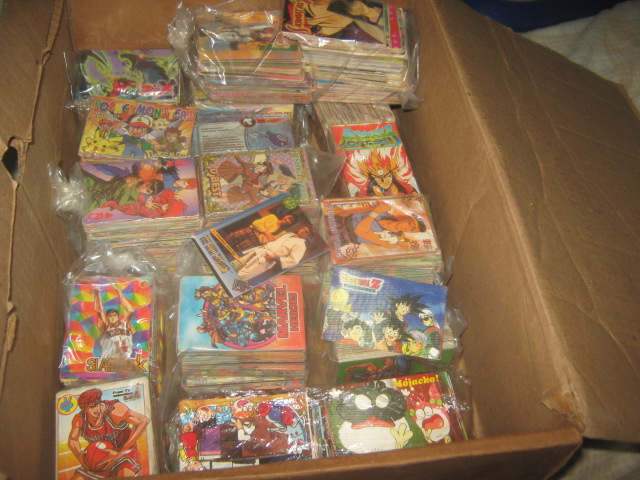

Philippine Teks of the 90s


As a kid growing in the 90s I have been introduced to the first version of teks from the kids in our neighborhood. I usually watch them playing this obscure game, flicking the cards in the air then later looking at the results, the winners will receive a new set of cards to add to their already worn out (from being regularly flicked and handled) and almost ruined collection of teks.

I was not able to enjoy the teks like how most children in the neighborhood do. I can remember buying a text and just admiring the wonderful artworks featured in both sides of a single piece. Later in elementary school, the popularity of Japanese animation (anime) and other US cartoons have changed the contents of most teks offered at that time. The once was comics like panels taken from actual Filipino films and were reminiscent of traditional Filipino Comics were then (and up to now) replaced by colorful scenes or special images of the characters from the popular animated series at that time. The teks as a game has still the same mechanics. the only changed noticed in the 90s were the siz of each teks. I can still remember that each card pack cost one peso with three to six individual pieces available in each cards. Thinking that it would be a complete waste to just use the cards in a regular game of teks, I decided to just keep it in good condition inside a super elastic ice bag which then is placed in a shoe box. I started collecting teks from grade school all the way up to my high school days. Up to this day, I still have my collection of anime themed teks: Dragon Ball series (original Dragon Balls, Z, GT,), Ghost Fighter (Yu Yu Hakusho), Marvel Series, Zenki, Pokemon, Mojacko, Fushigi Yuugi, Slam Dunk, Sailor Moon, etc.

What about you guys? What's your fondest memory of playing teks? What Filipino or foreign titled teks have you played with? Share your thoughts and experience with teks on the comments section below:
Read More

Yosi Kadiri - Department of Health's Iconic Anti-Smoking Campaign Mascot

Yosi Kadiri was a Department of Health anti-Smoking Campaign Mascot back in the 90's. Yosi Kadiri was an iconic 80s and 90s mascot that puts a face to smoking, and its detrimental effects to the health of both smokers and non-smokers. The Yosi Kadiri campaign was heavily marketed to spread awareness and warn about the effects of smoking via outdoor signs, commercial center signages, television, call/home radio, newspapers, magazines, school organs, comic books, and premium items.


Department of Health's Yosi Kadiri Campaign Mascot Retro Pilipinas Feature


Yosi Kadira - The Mission
Yosi Kadiri Campaign


Yosi Kadiri Mascot

The prevalence of smoking and its detrimental effect on the health of smokers and non-smokers have alarmed government authorities. It is in this context that Yosi Kadiri Information and Education Anti-Smoking Campaign has been conceptualized and implemented.

Yosi Kadiri Campaign aims to reduce the prevalence of smoking among the youth in the 7 to 19 age bracket from 22.7% in 1987 to at least 12% by the end of 1997. Its audience includes non-smoking male and female children and teenagers with emphasis on the 12 to 16 age group.

A mascot called Yosi Kadiri is the Campaign’s spokesman together with a media network composed of outdoor signs, commercial center signages, television, call/home radio, newspapers, magazines, school organs, comic books, and premium items.

The campaign hopes to change the predisposition and predecision to go into the habit of smoking at a certain age at a certain time.


The grim face of Yosi Kadiri and the actual mascot somewhat disturbed me as a grade school student back in the early 90's. This is probably what the Health Department was aiming for back in the days, to start them young. It somehow helped educating the newer generation (back then) of the dangers of smoking. This campaign and probably my father (even if he is a smoker) warning me that I shouldn't smoke made me not turn into a smoker. In the end, it is still up to the nearest influences that could deter one to engage in such vices.


Yosi Kadiri Outdoor Signage Wag magYOSI, Wag KADIRI


But like I said, what if one is exposed to an environment tolerating such vices? What you get is Yosi Kadiri becoming the "real face of smoking", and not in the same sense that the Department of Health envisioned the mascot to be. Yosi Kadiri was eventually dropped by the Department of Health in early 2000, and not long, appearing once again in "Inuman Na" music video of by-then rising Filipino pop rock band Parokya ni Edgar. In the world of the young innocent and susceptible students, Yosi Kadiri may have been that malignant face to stop their natural curiosity to try things out, specifically smoking. On the world of adults on the other hand, Yosi Kadiri could very well be the face of how society views them, and that has probably made them relate more to this mascot rather than be scared of it.


Yosi Kadiri in Parokya ni Edgar's Inuman Na Music Video


Parokya Ni Edgar "Inuman Na" Music Video Featuring The Yosi Kadiri Mascot
Yosi Kadiri in Inuman Na Music Video


To those who grew up around the late 80s and early 90s Yosi Kadiri will forever be instilled in their minds. That disturbing and malicious face of a mascot, what was he DOH thought of that time when they came up with such designs for a mascot? It probably helped with the government's campaign against smoking, but eventually the mascot, just like the 90's has moved on.


Yosi Kadiri DOH Anti-Smoking Campaign Mascot 80s - 90s


What about you guys? How doyou remember Yosi Kadiri? Share your thoughts about the iconic DOH anti-smoking campaign mascot of the late 80s to early 90s on the comments section below:
Read More